Tokyo, Japan
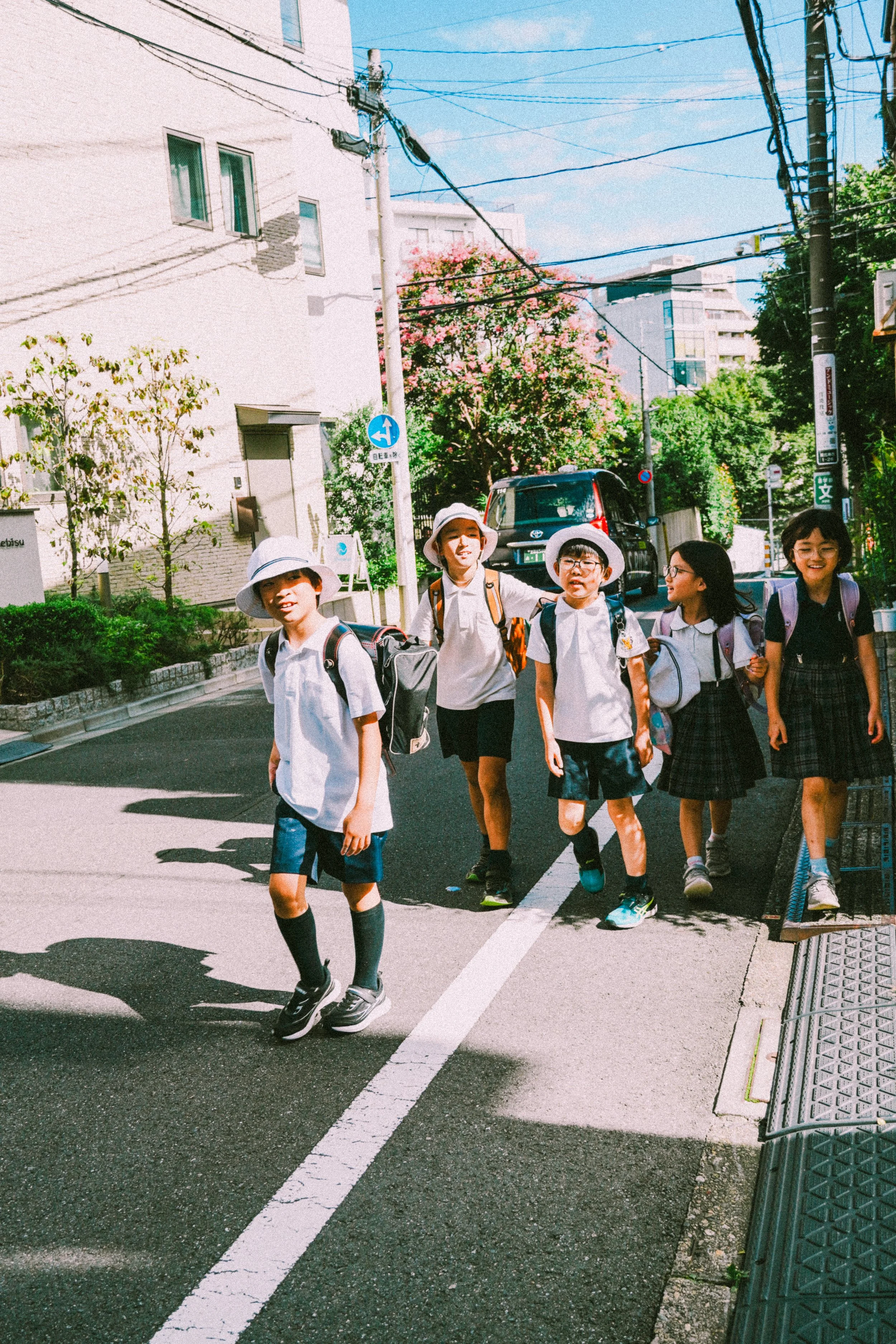
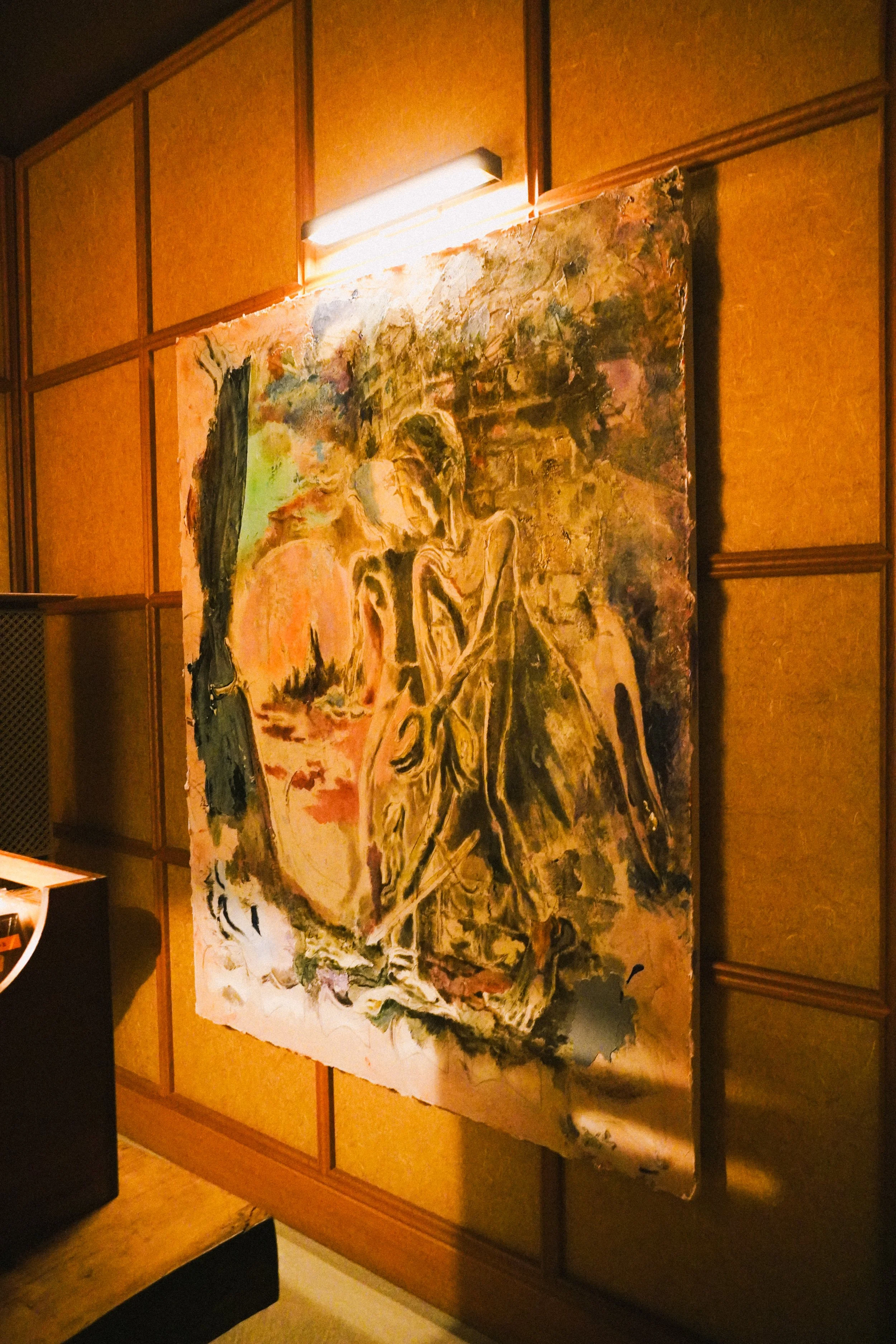
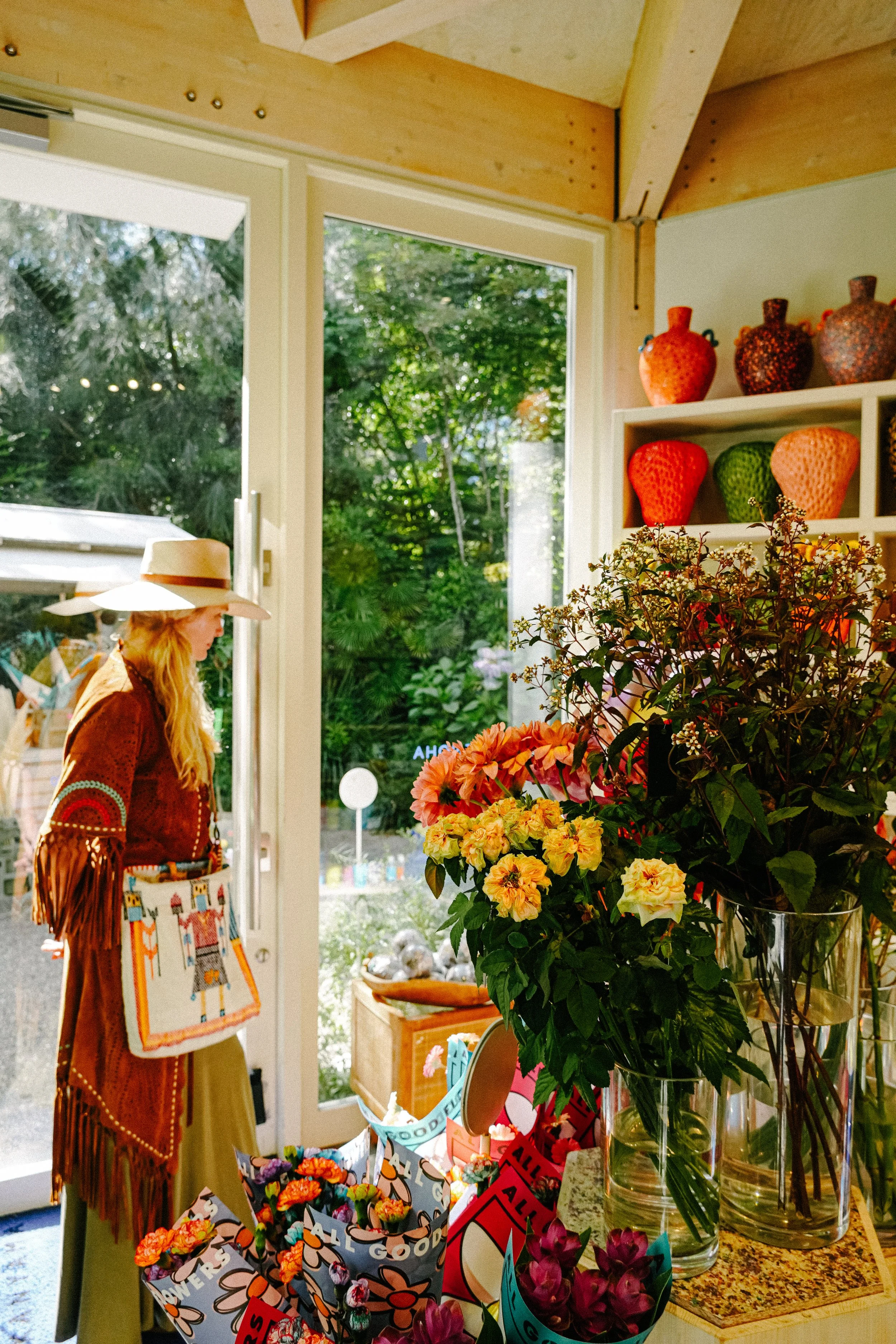
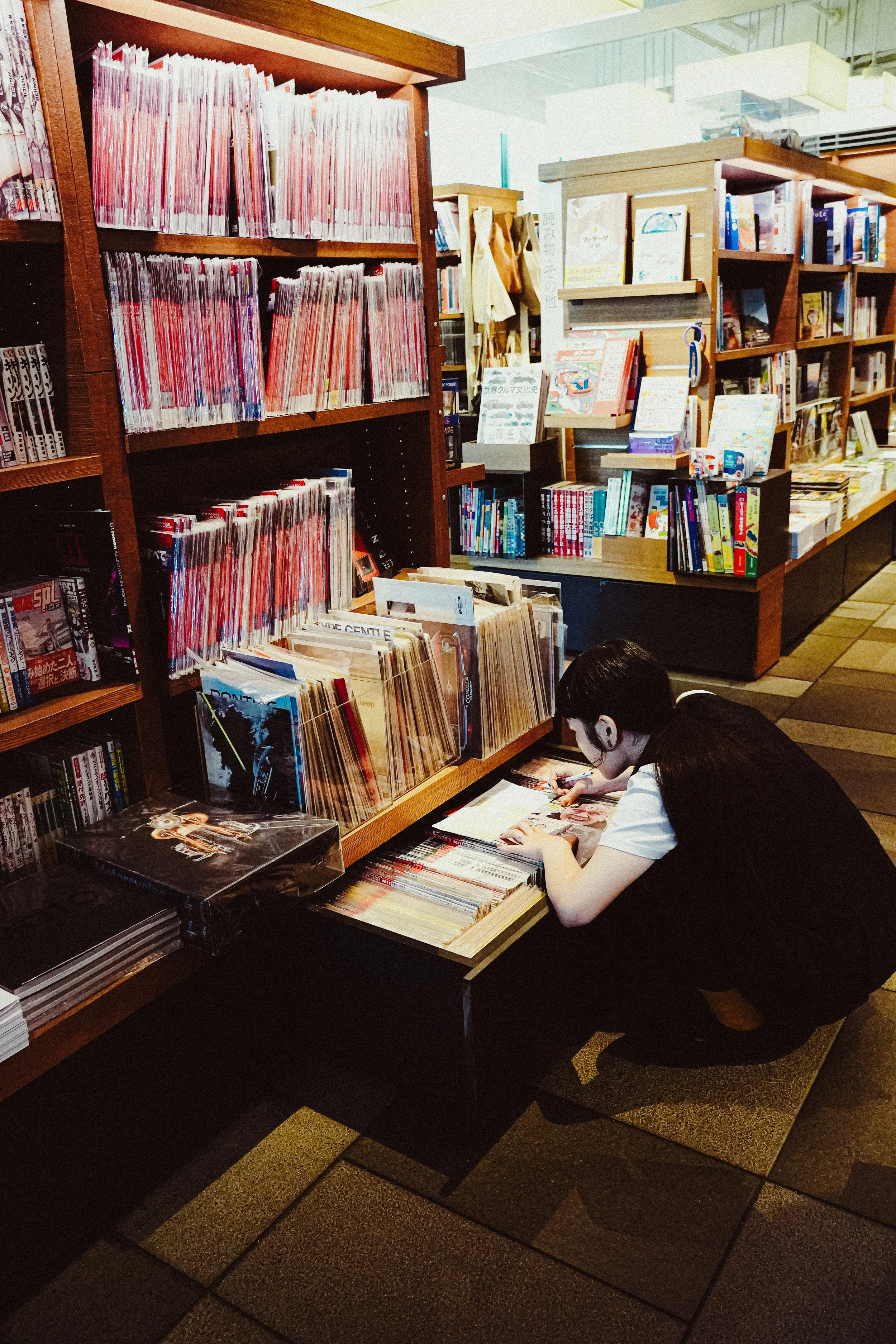
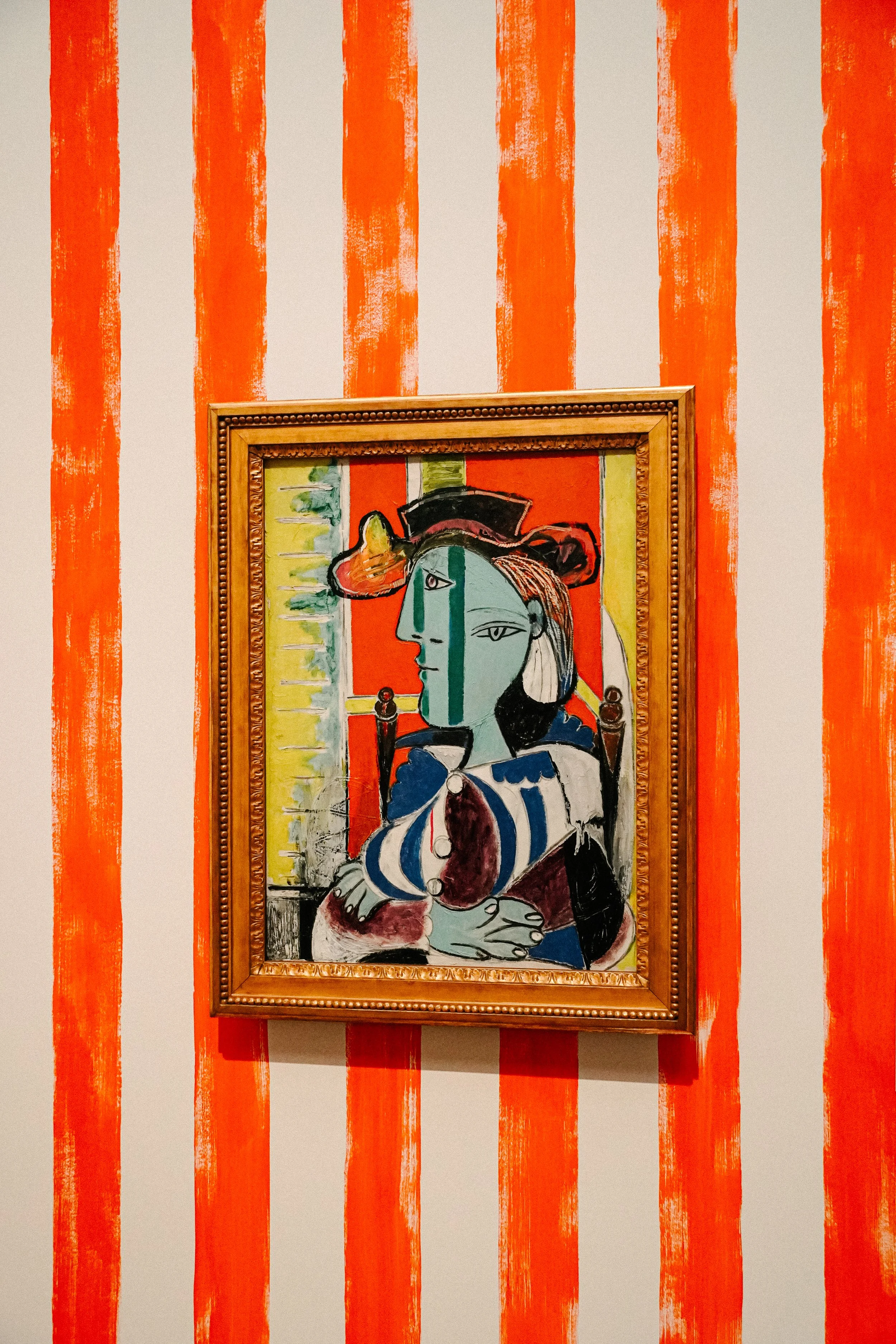
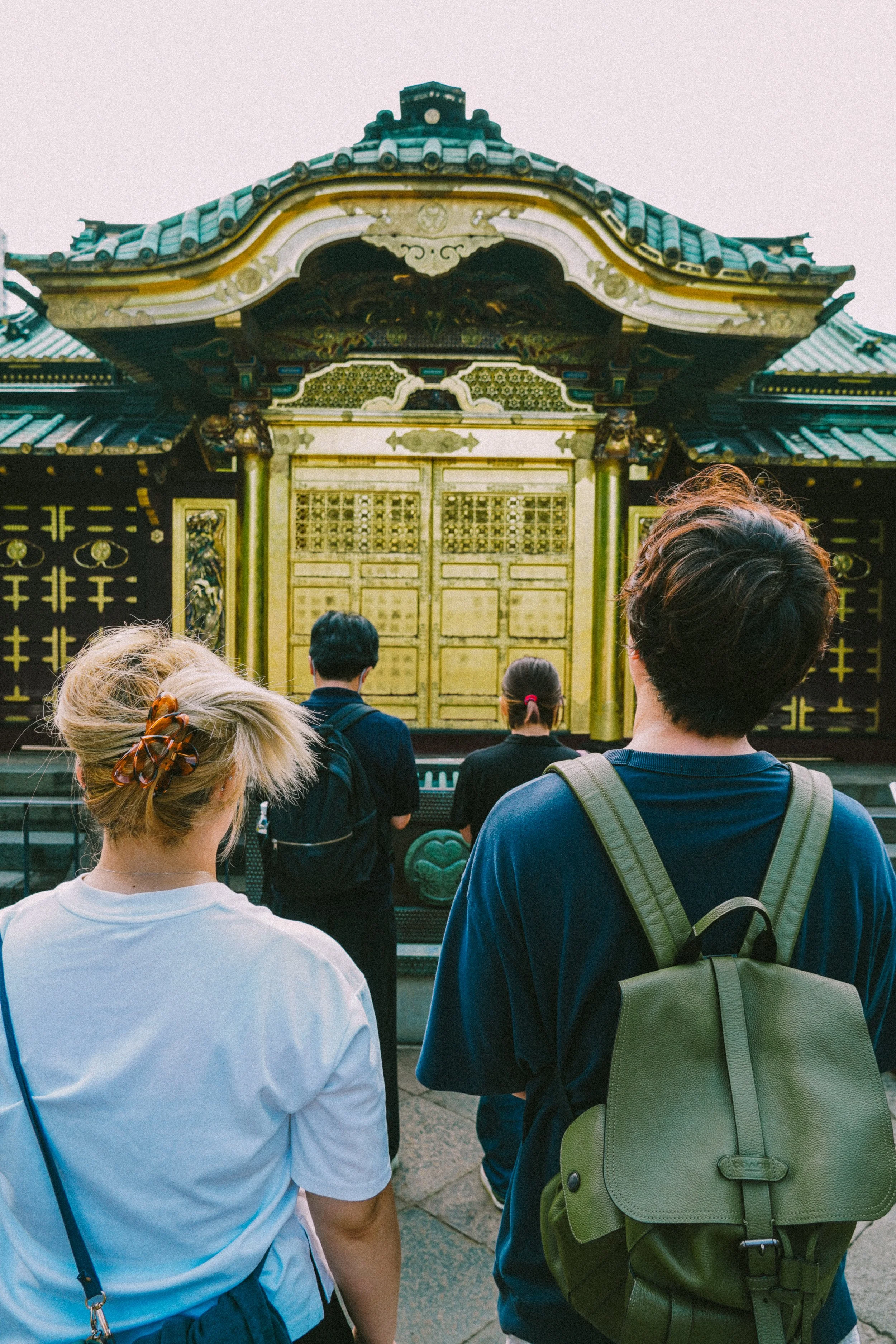
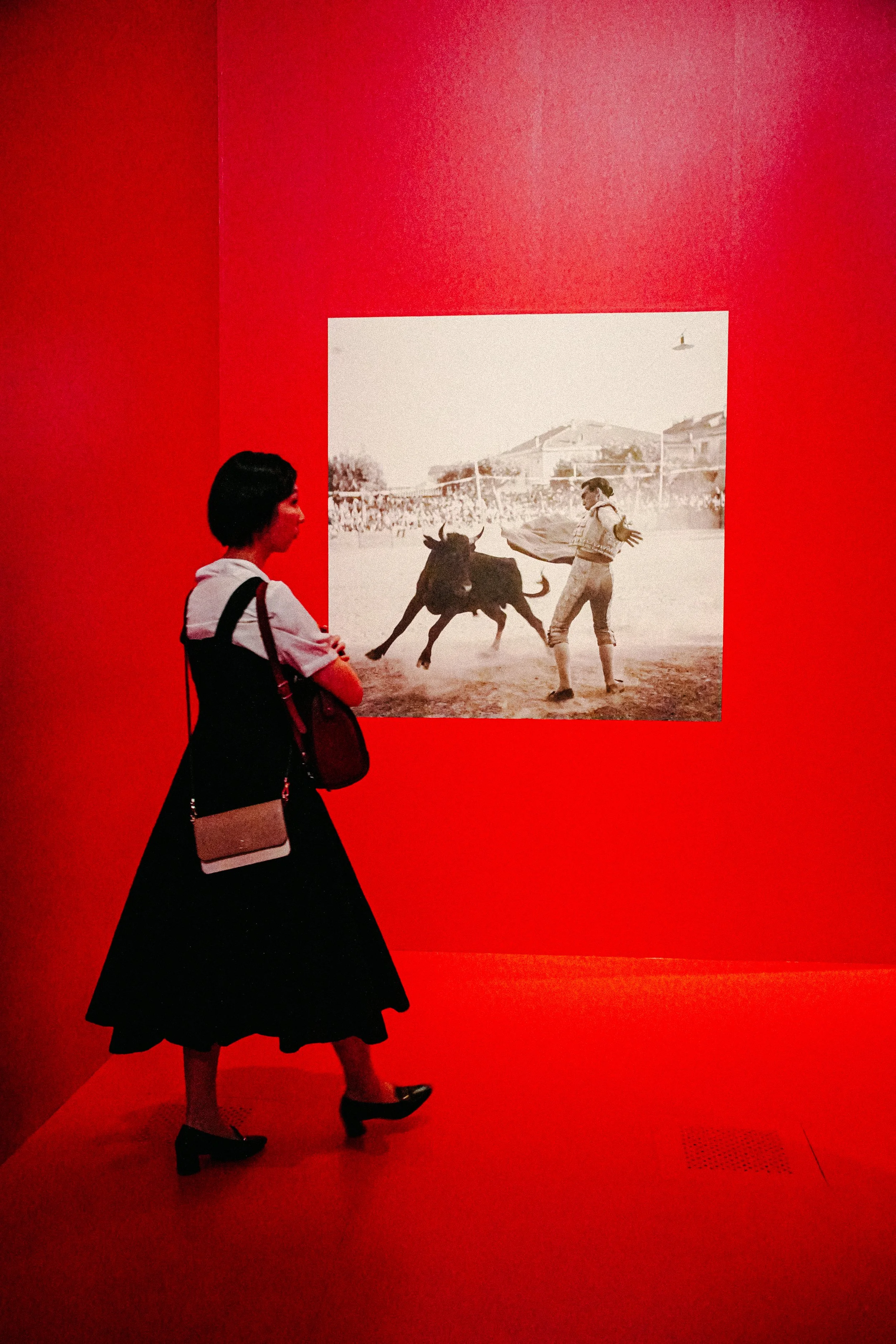
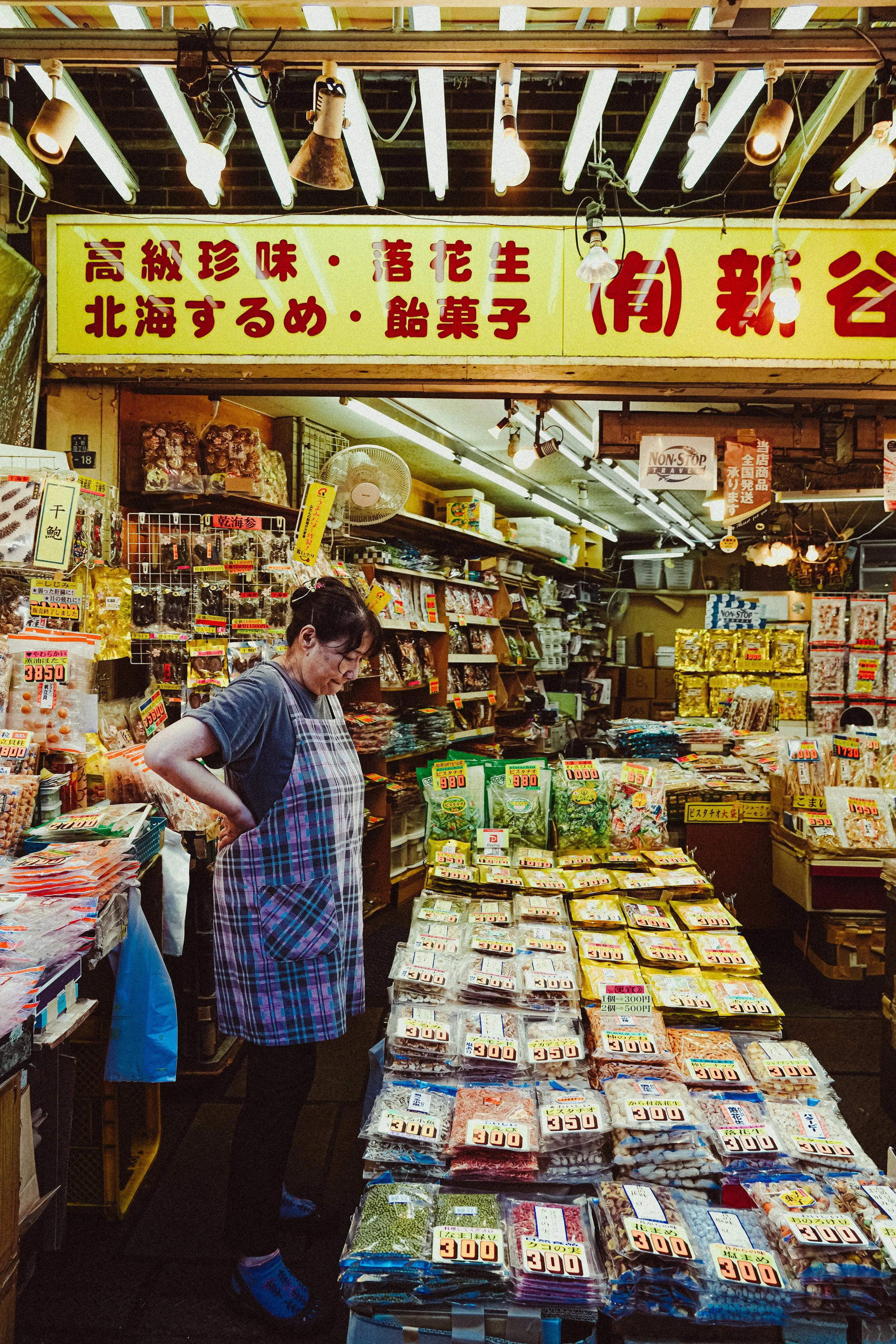
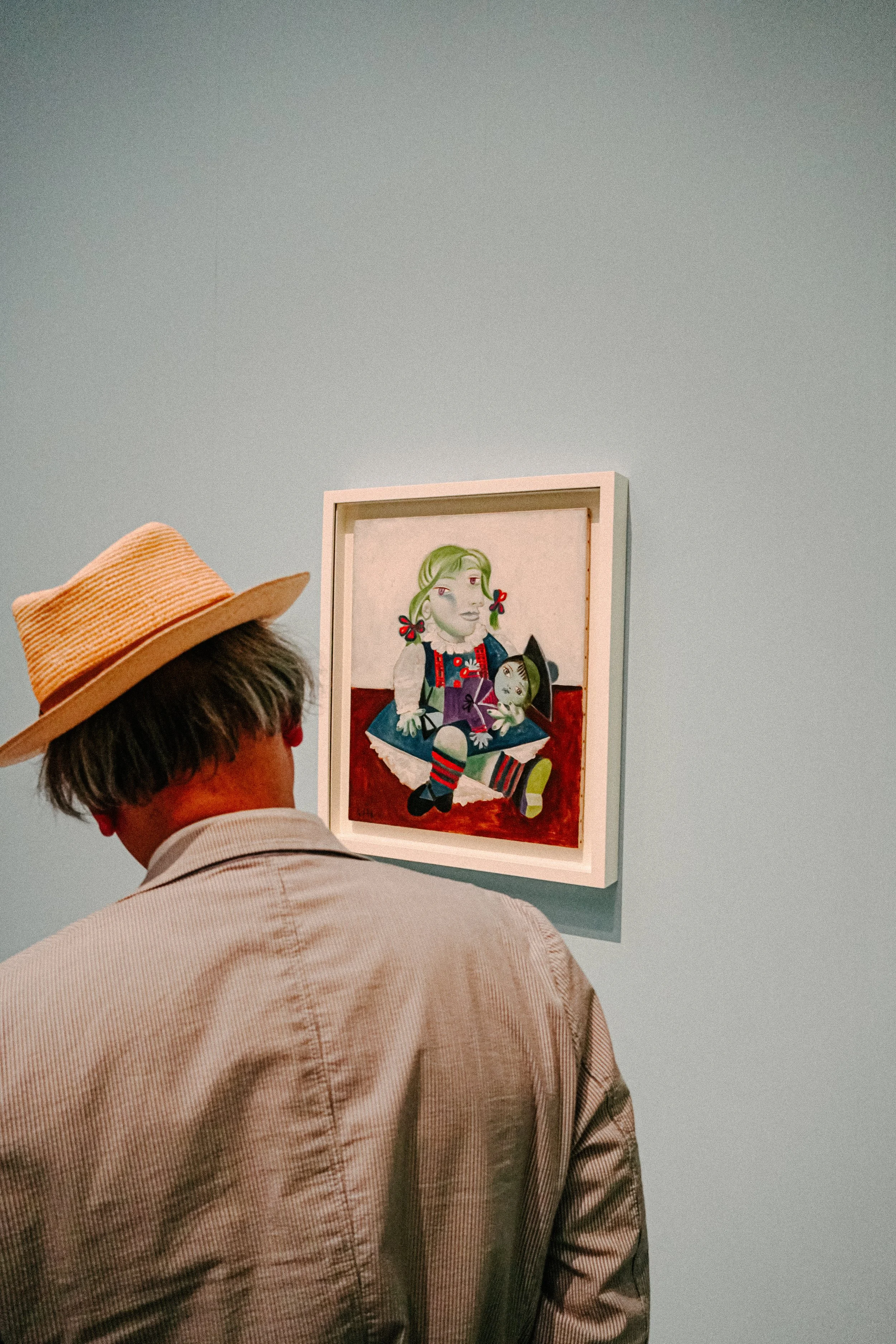
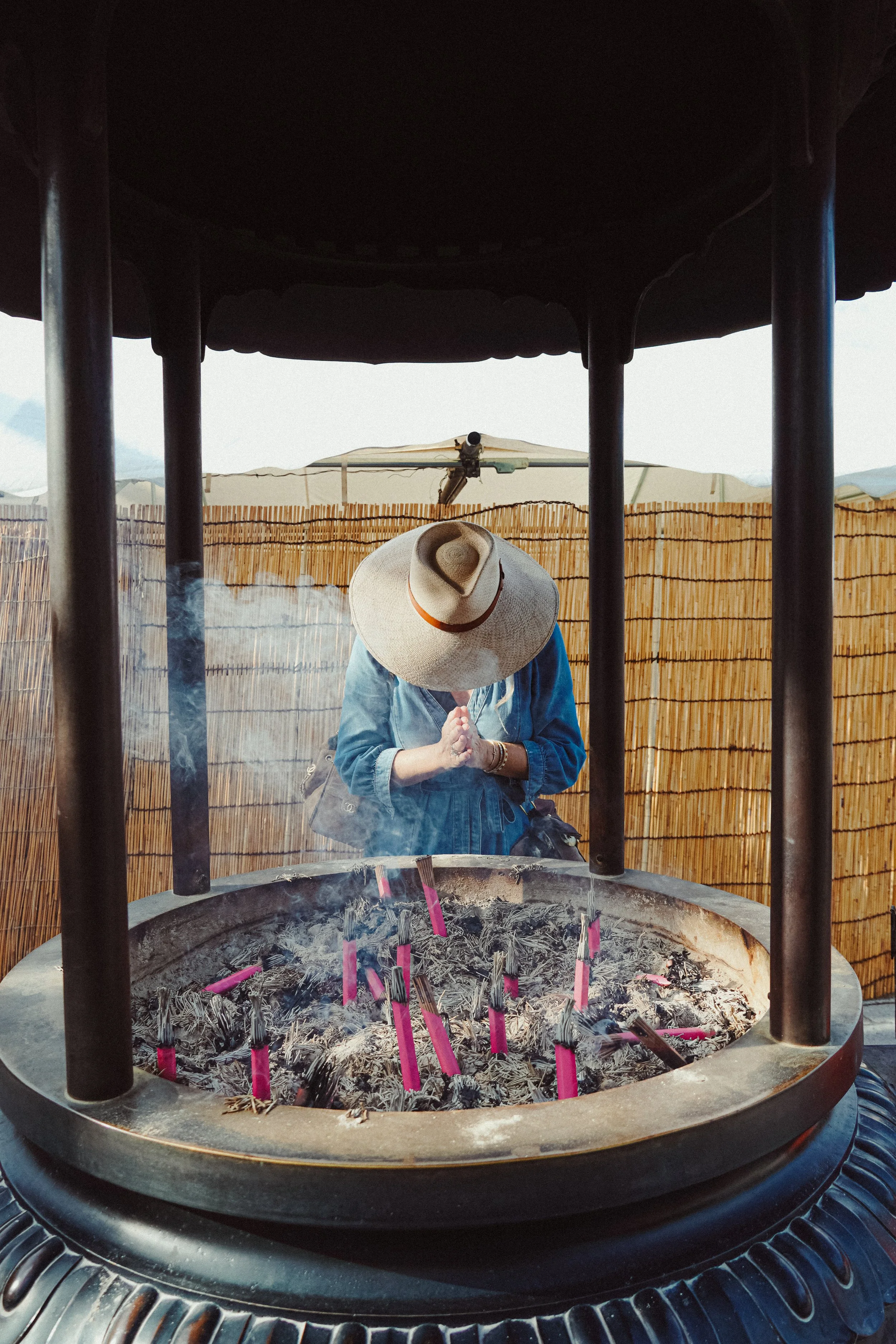
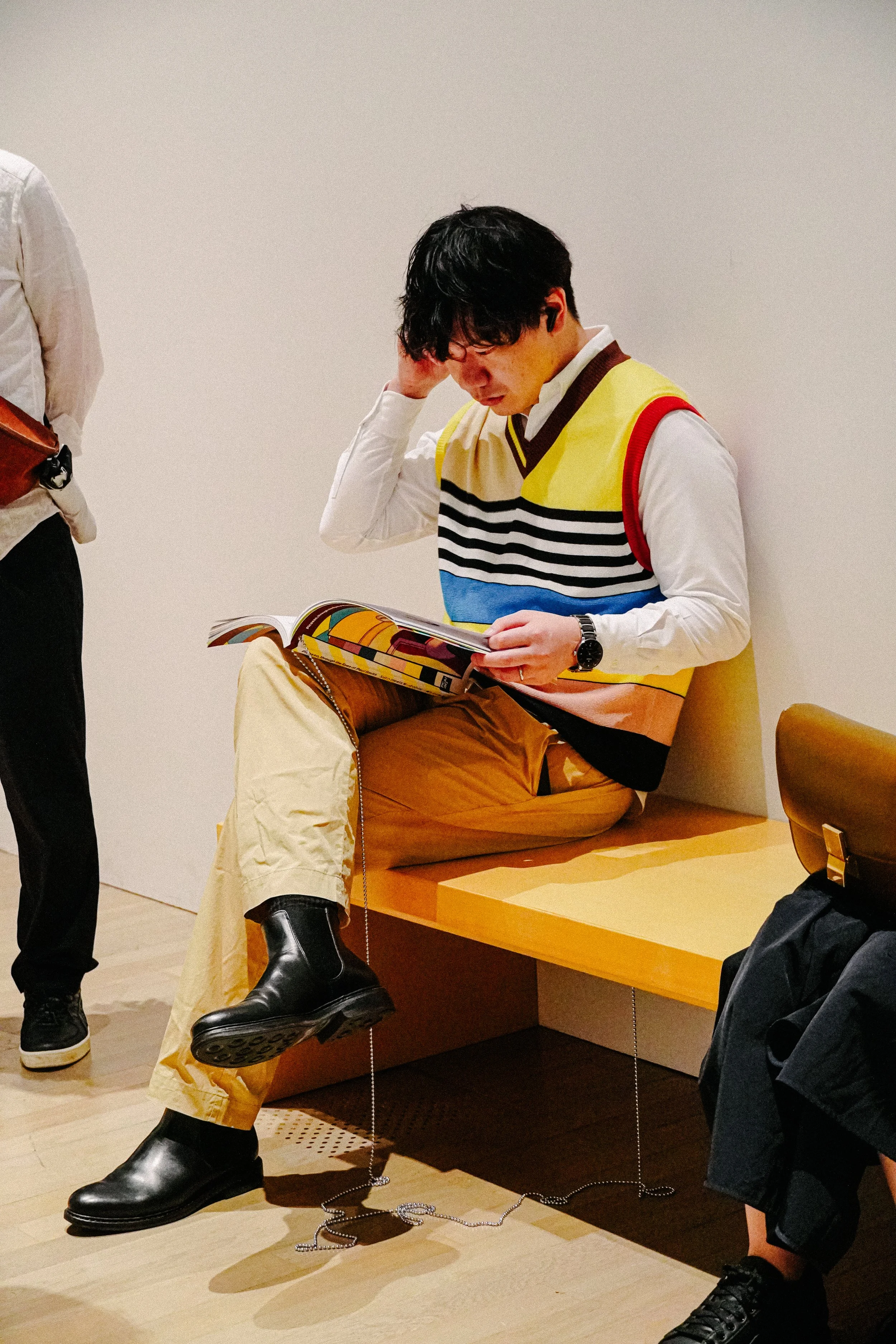
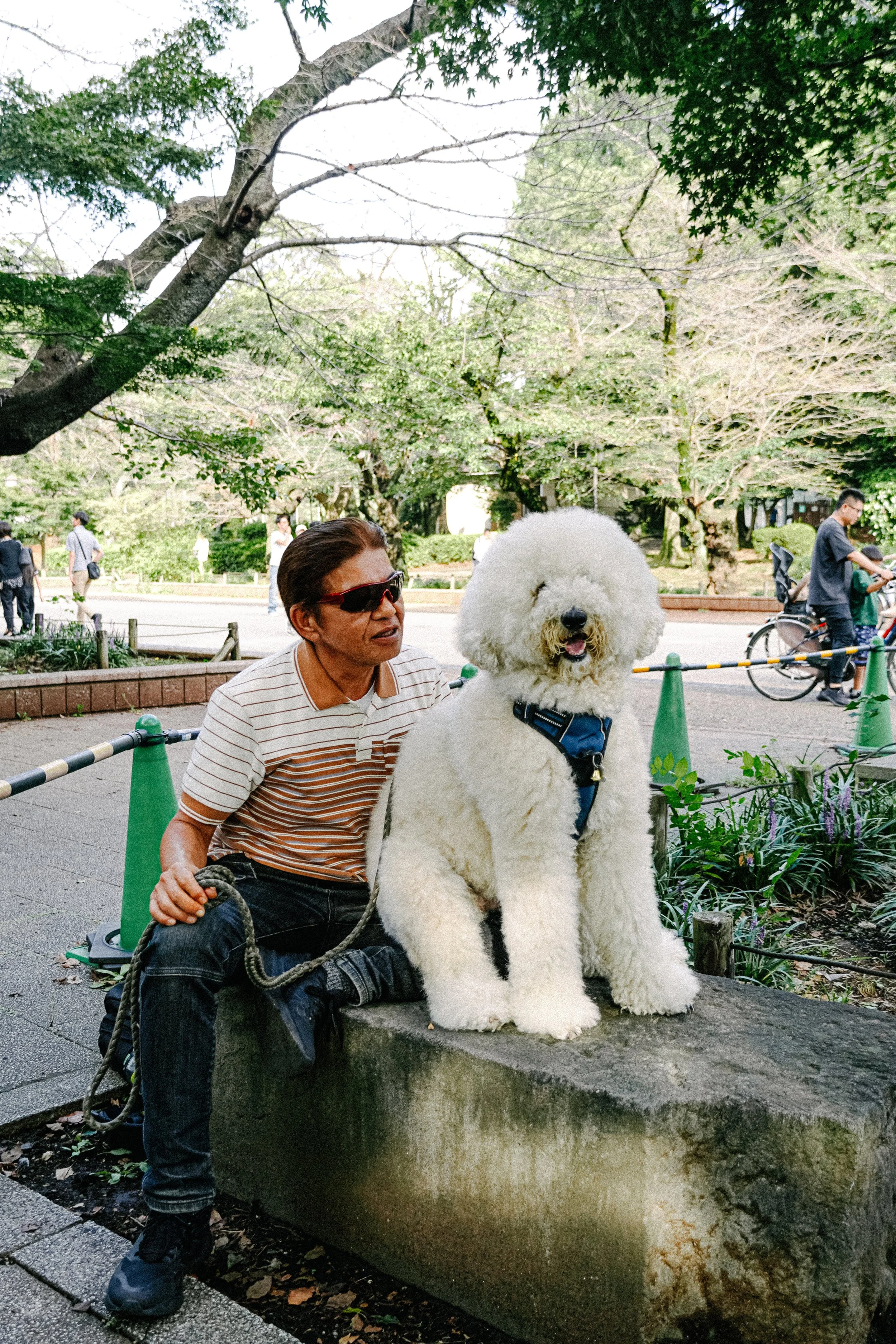
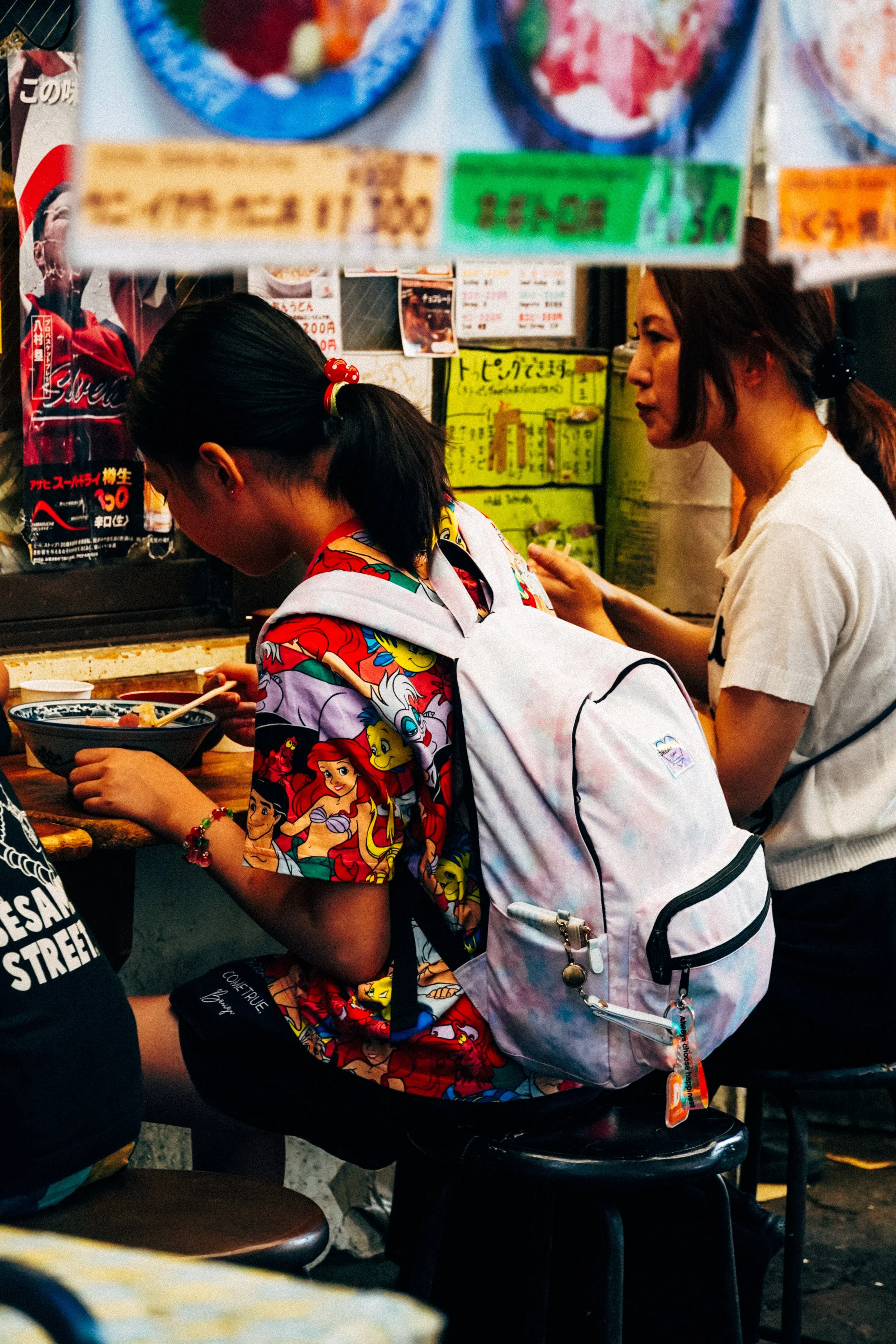
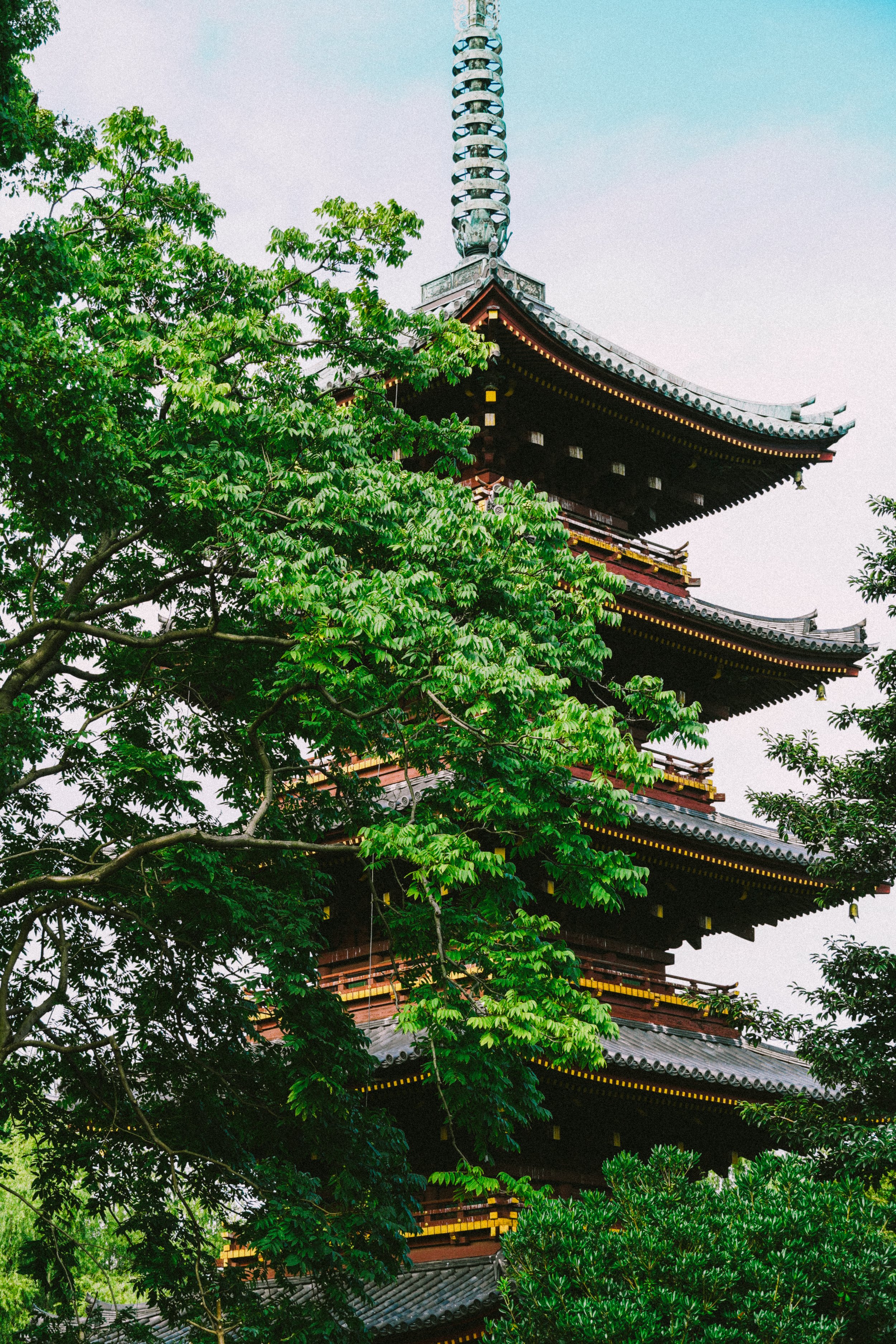
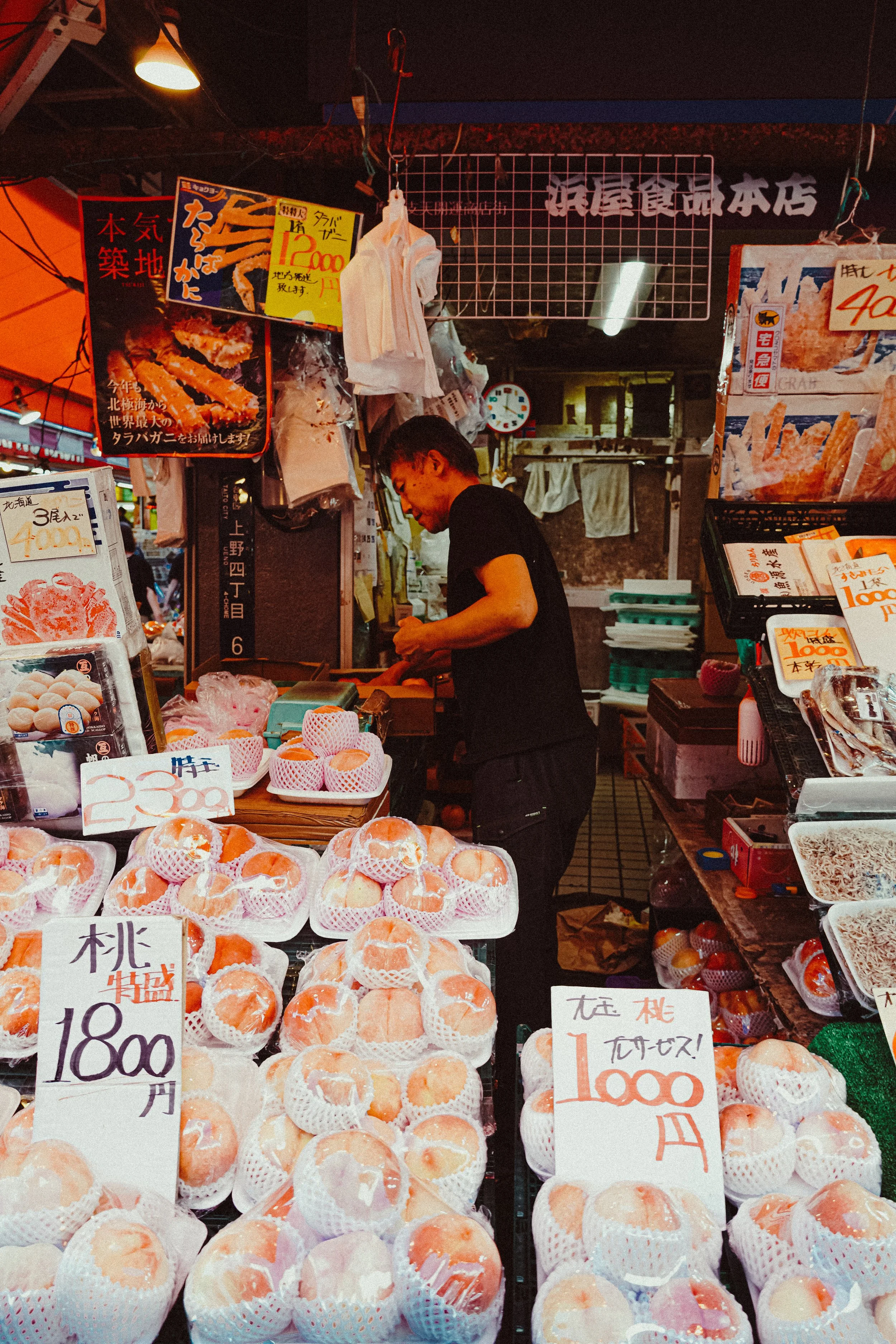
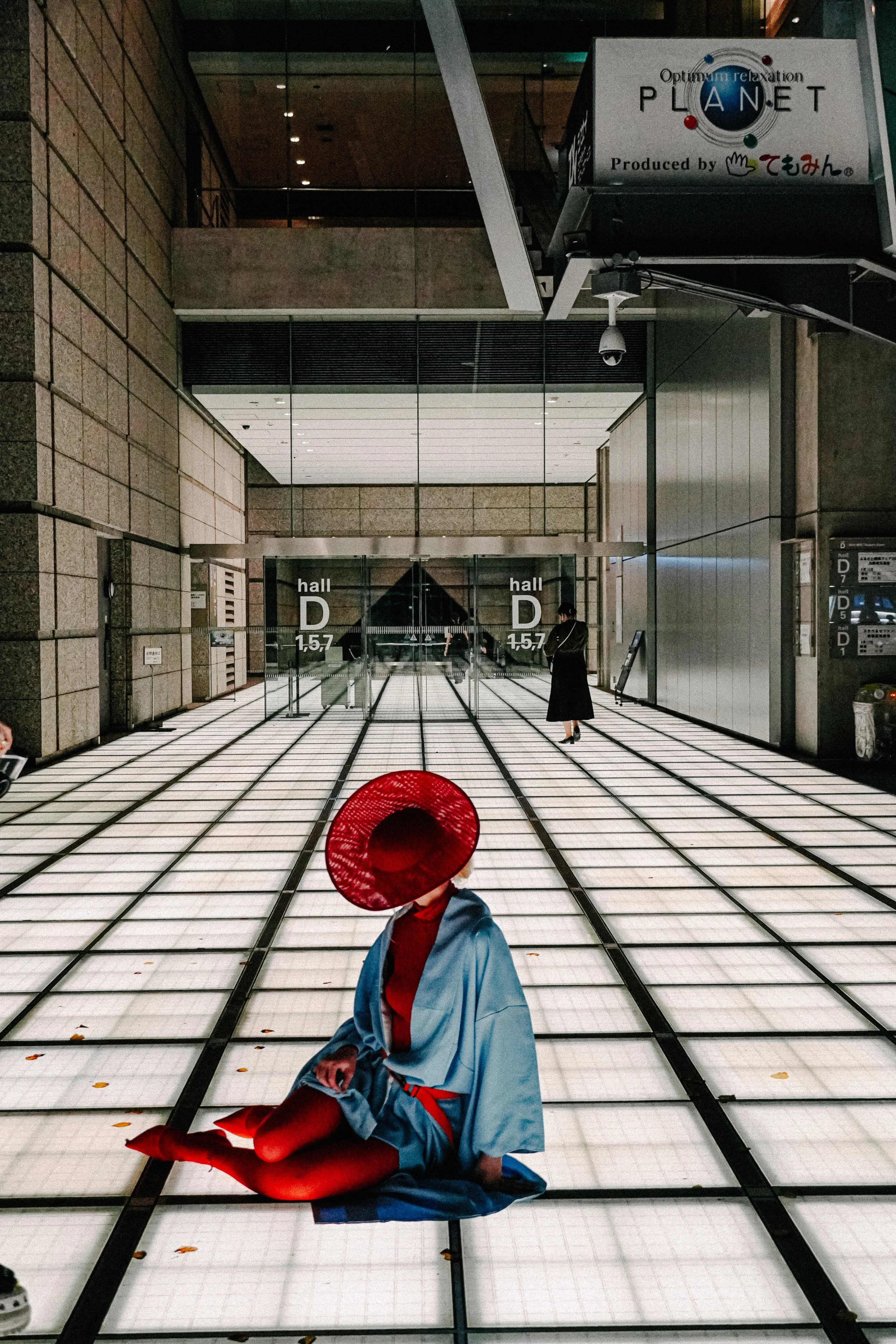
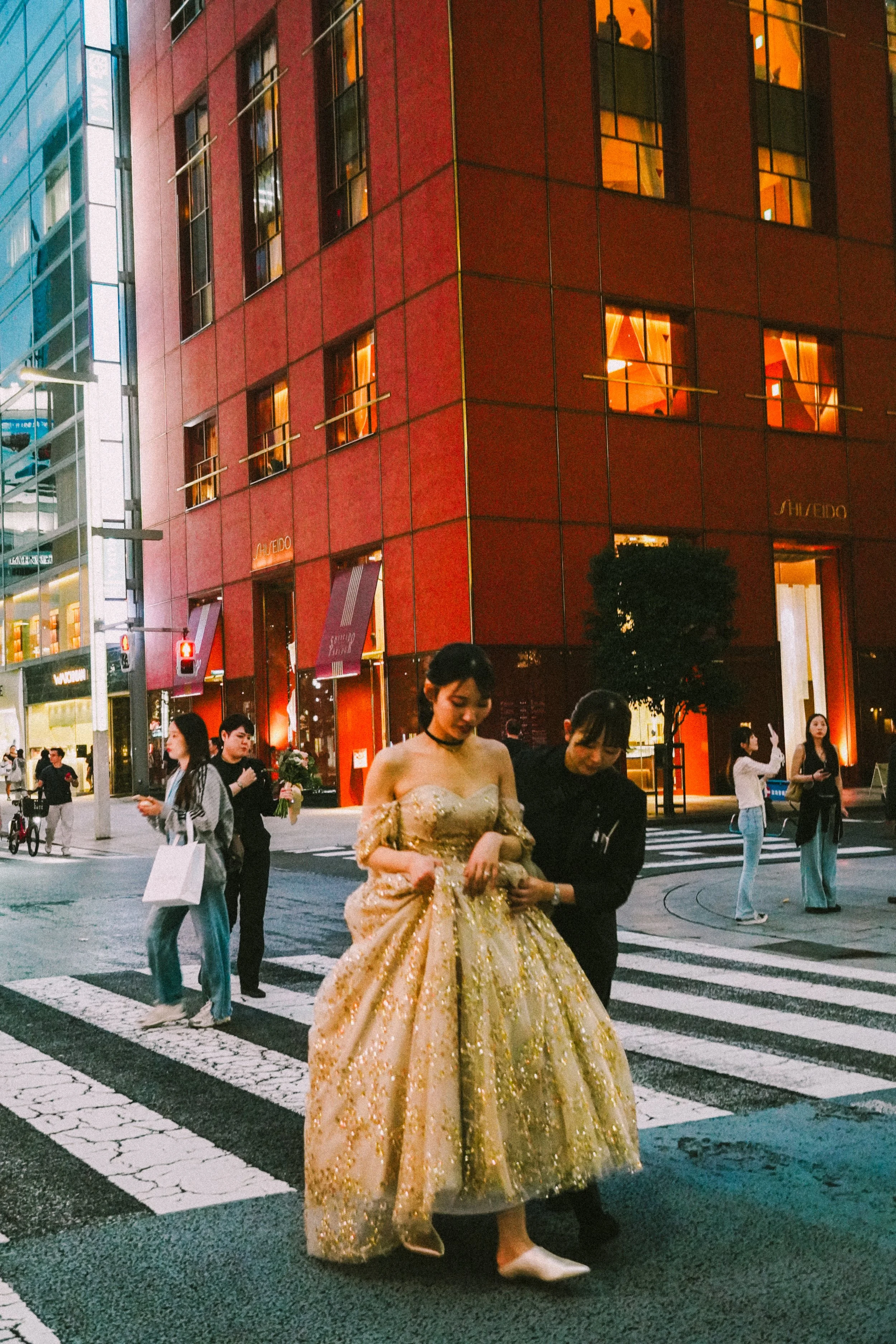
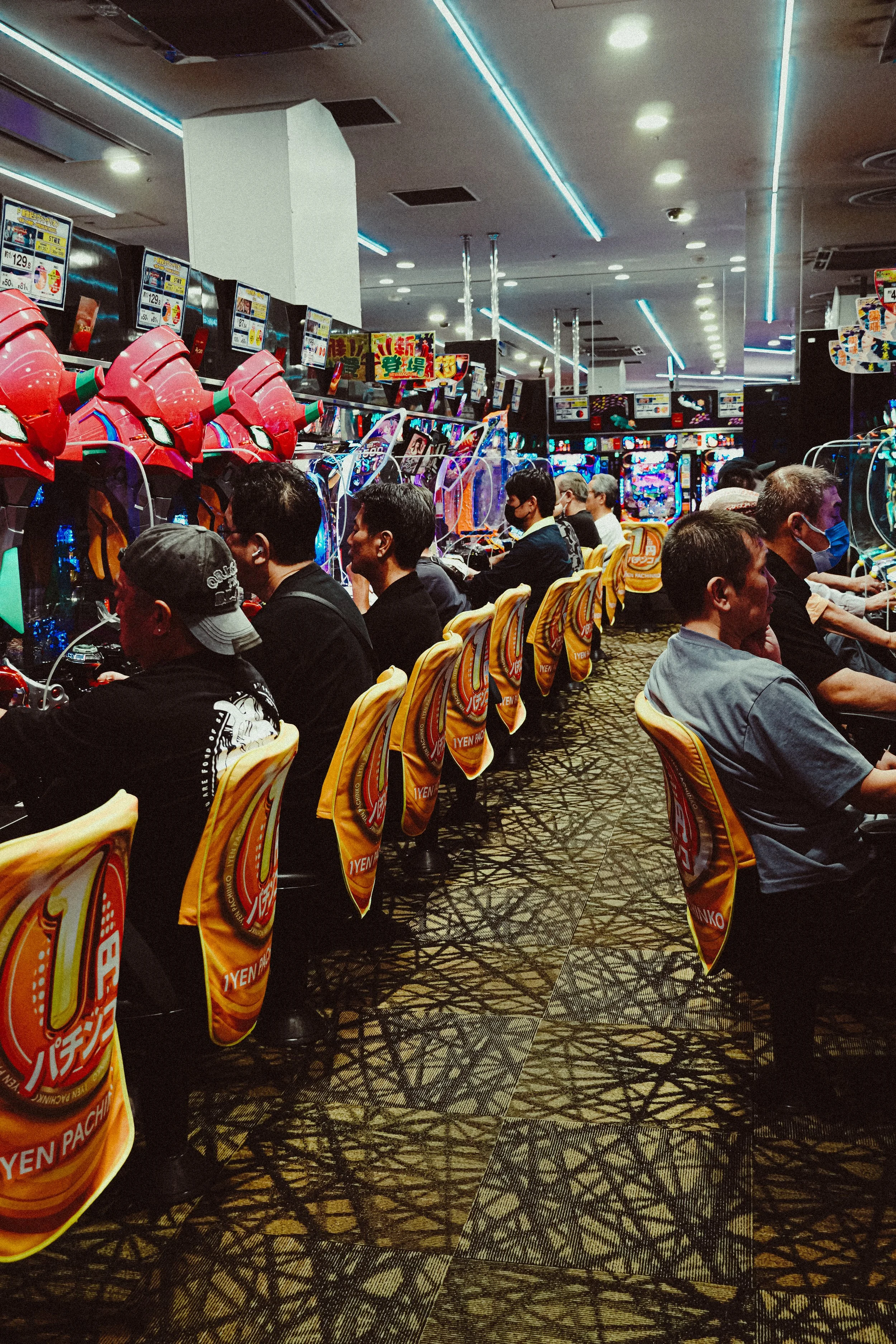
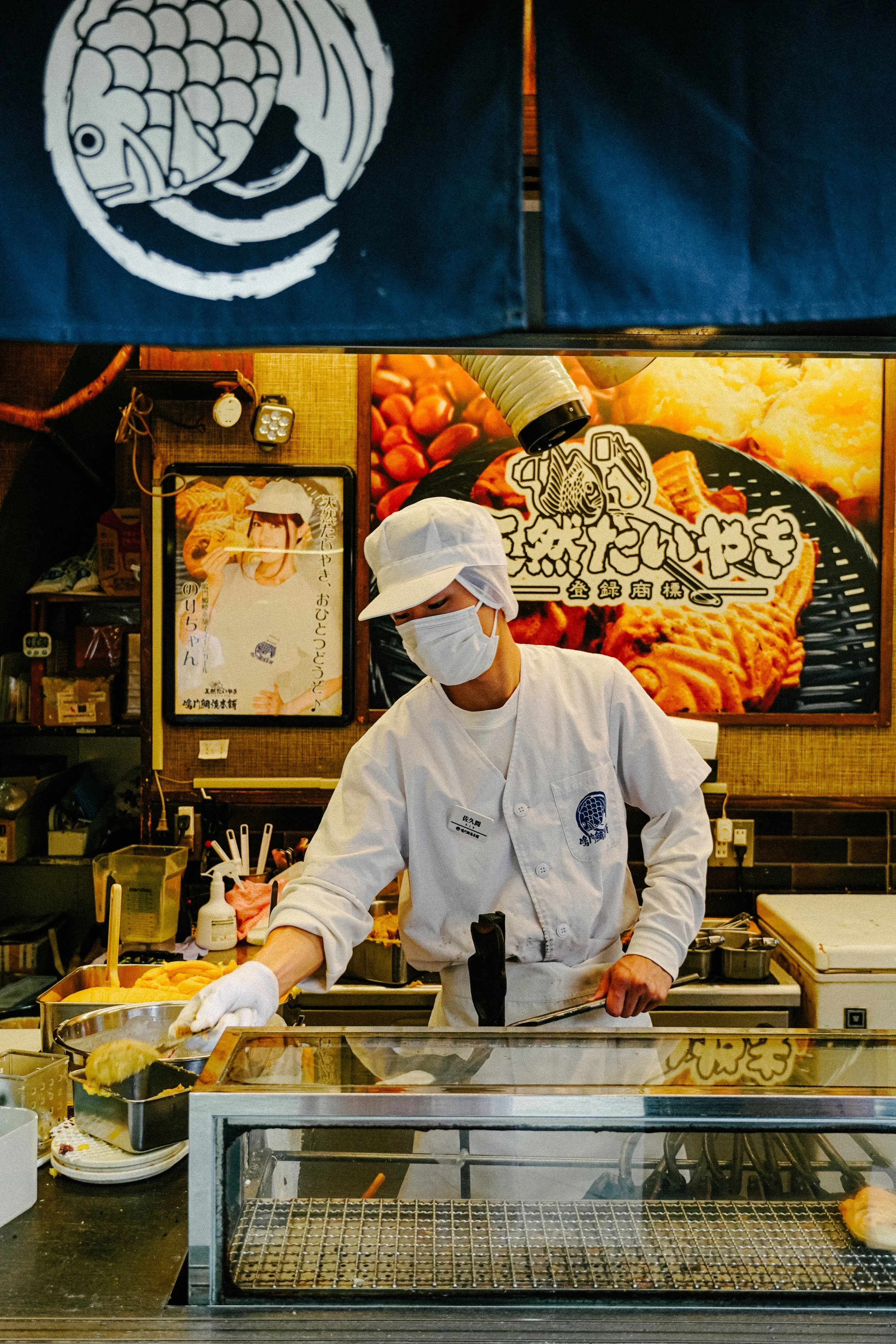
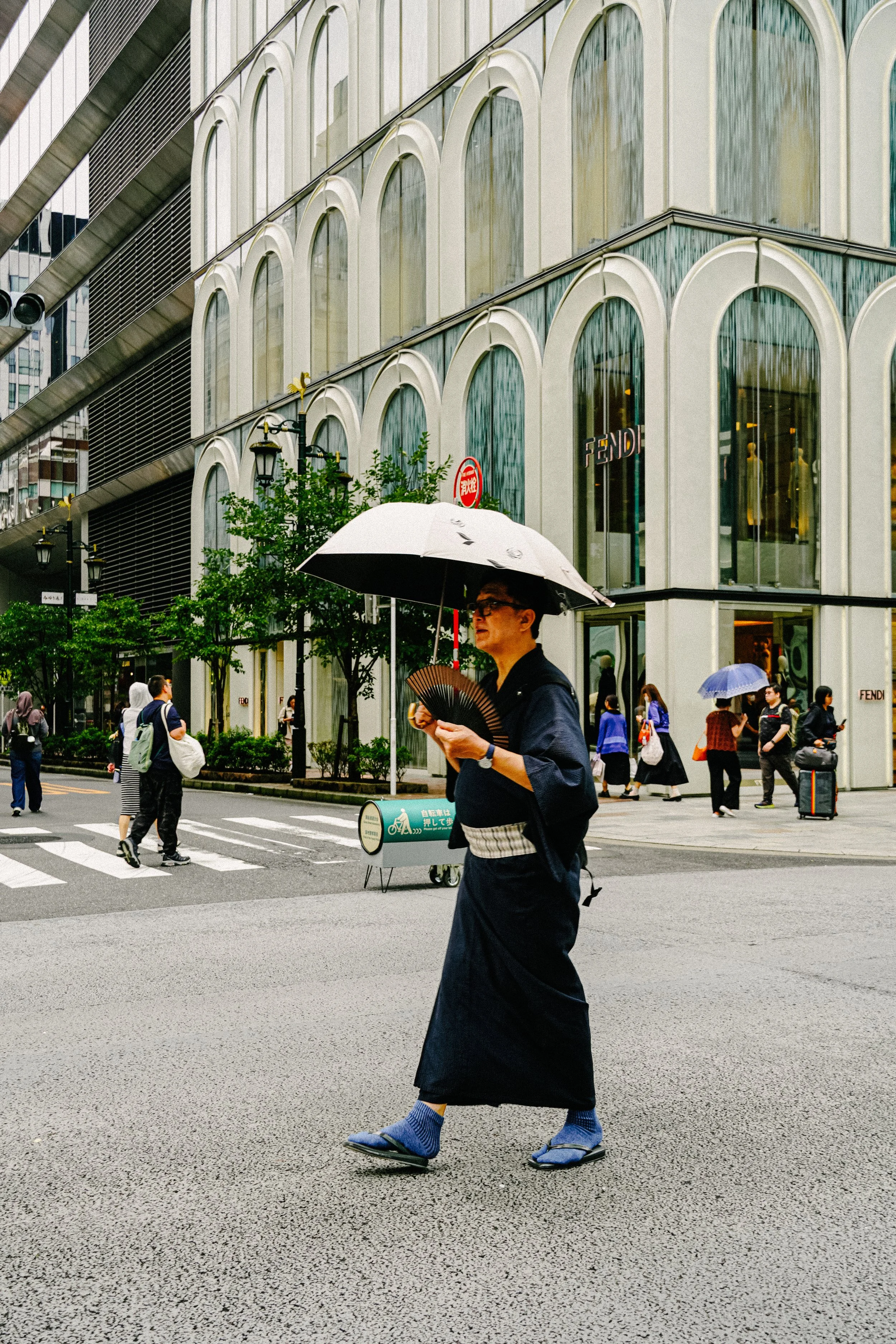
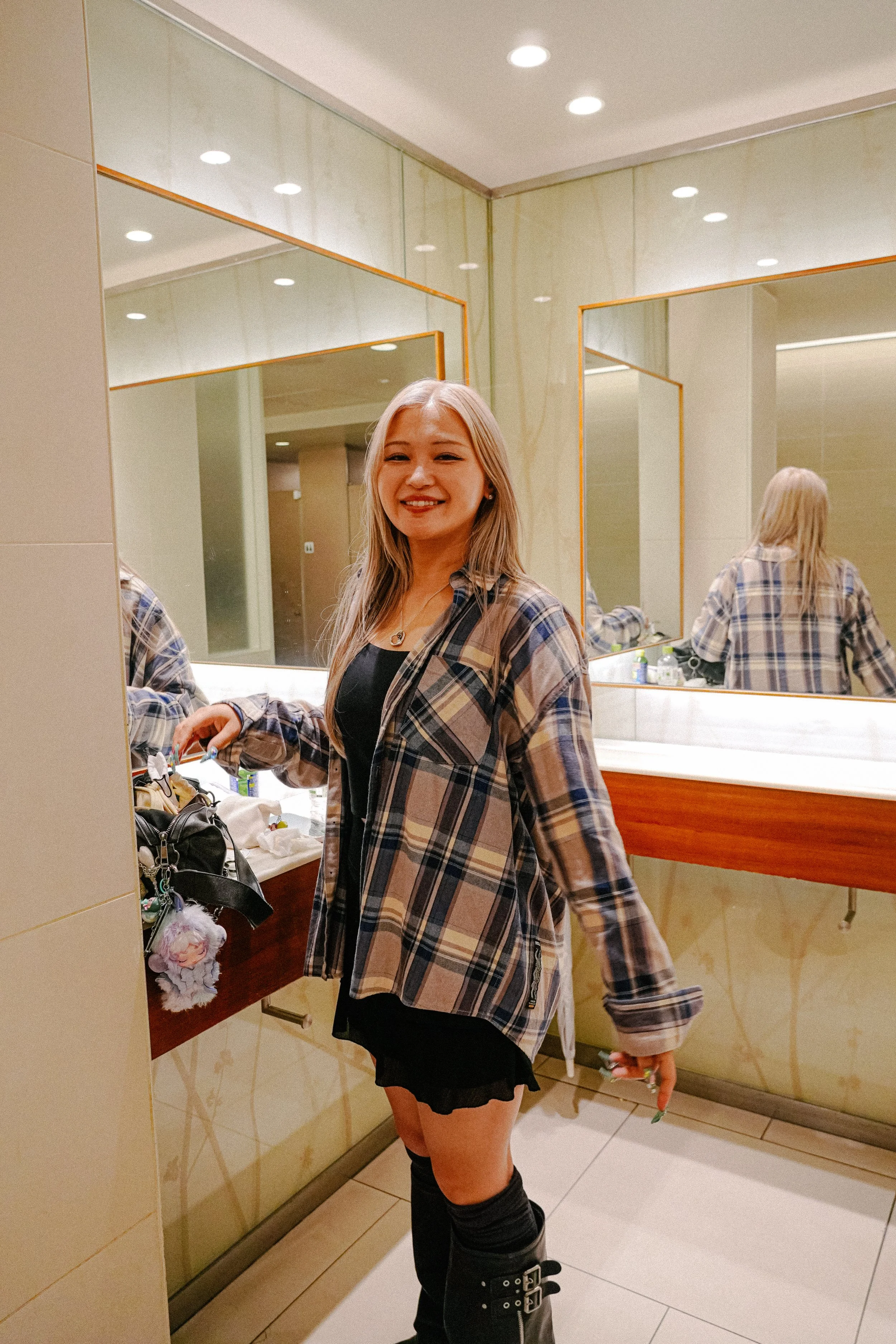
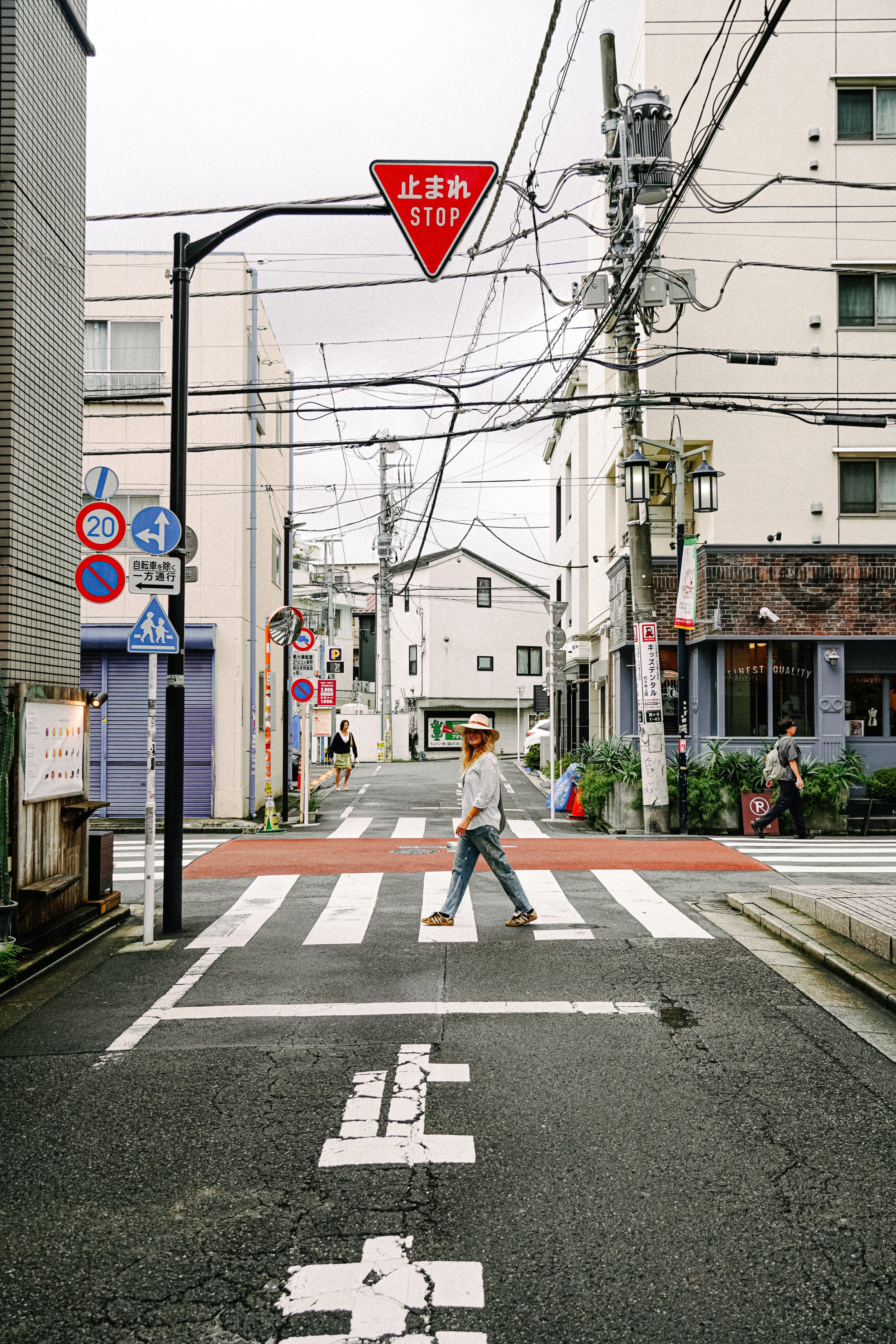
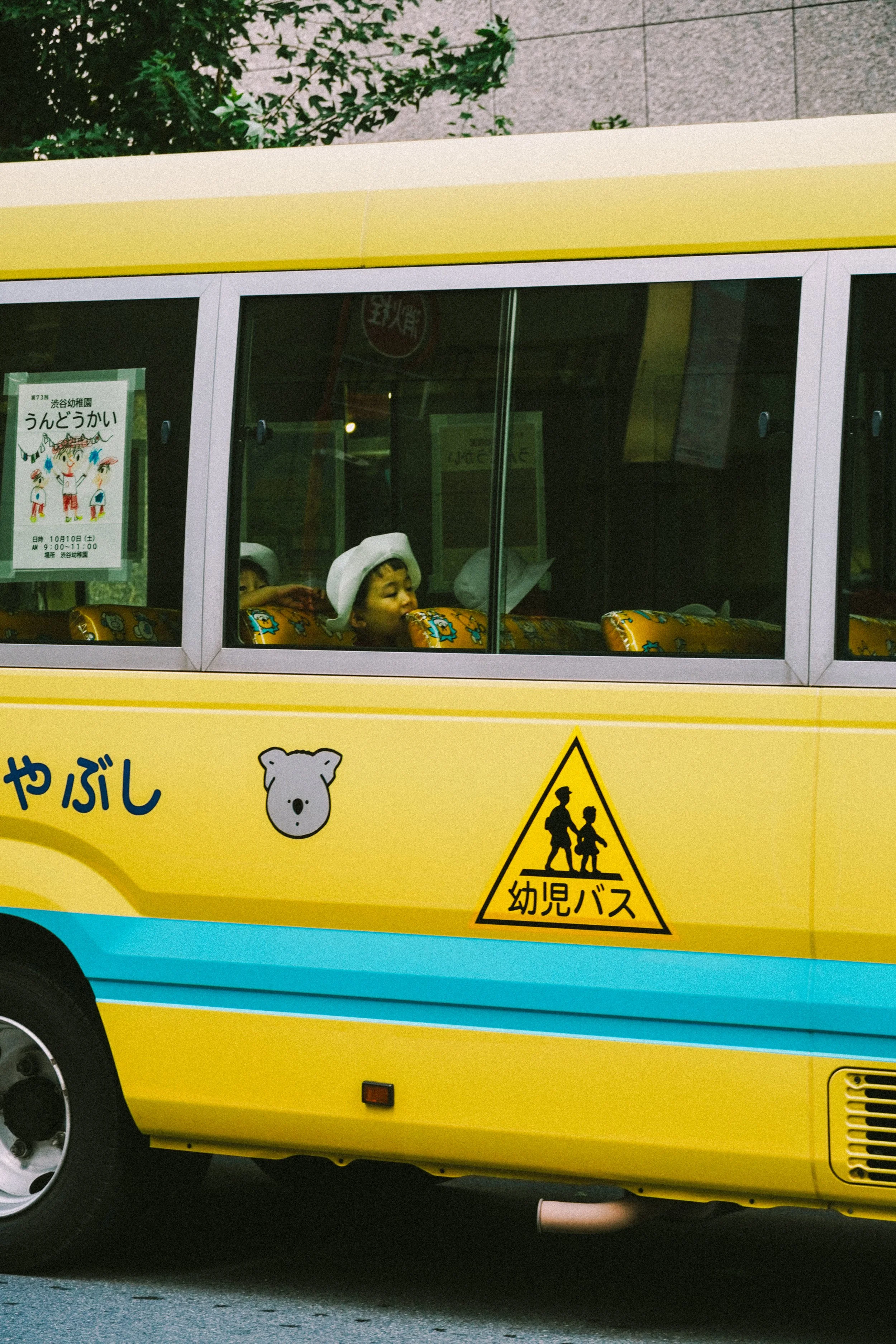
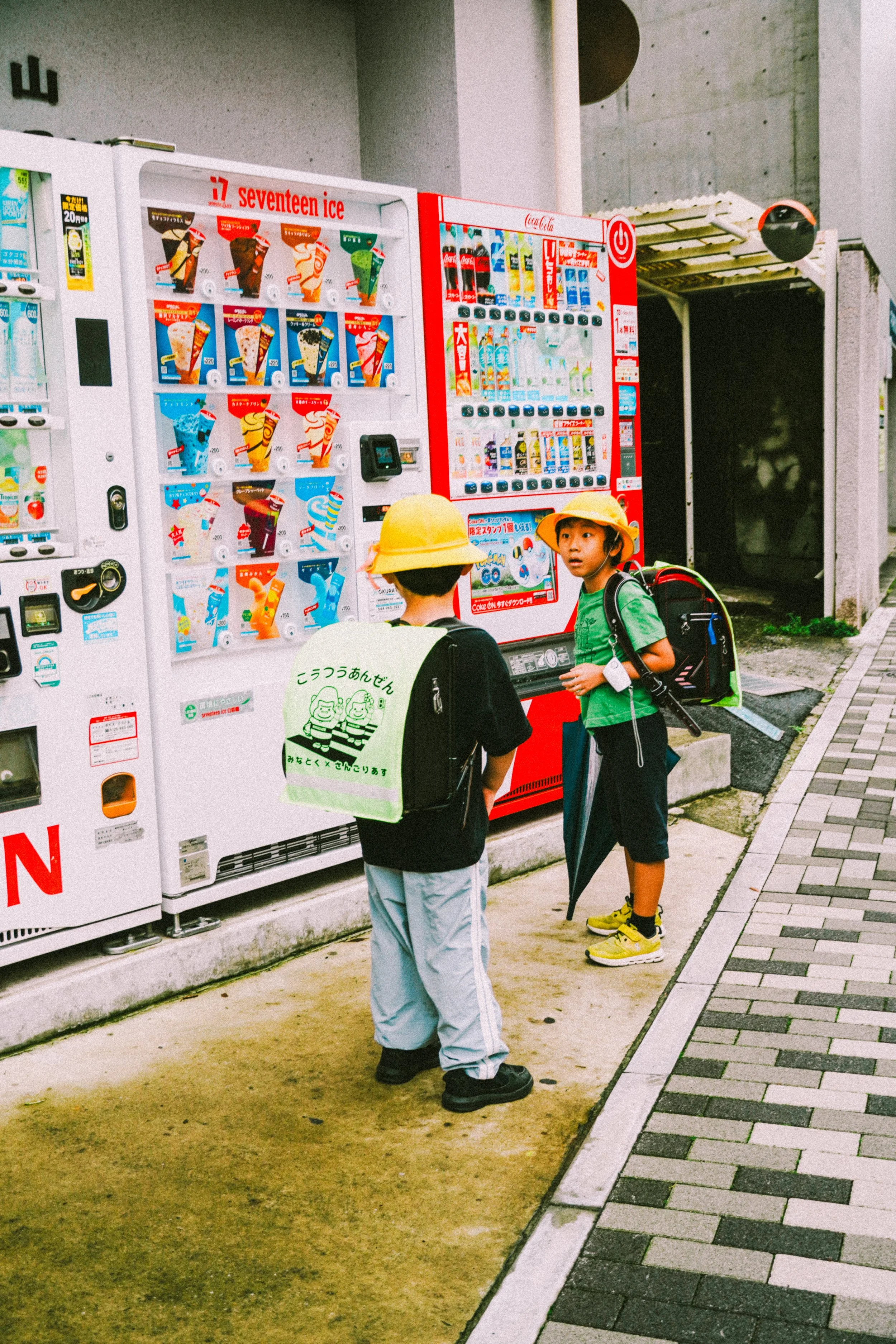
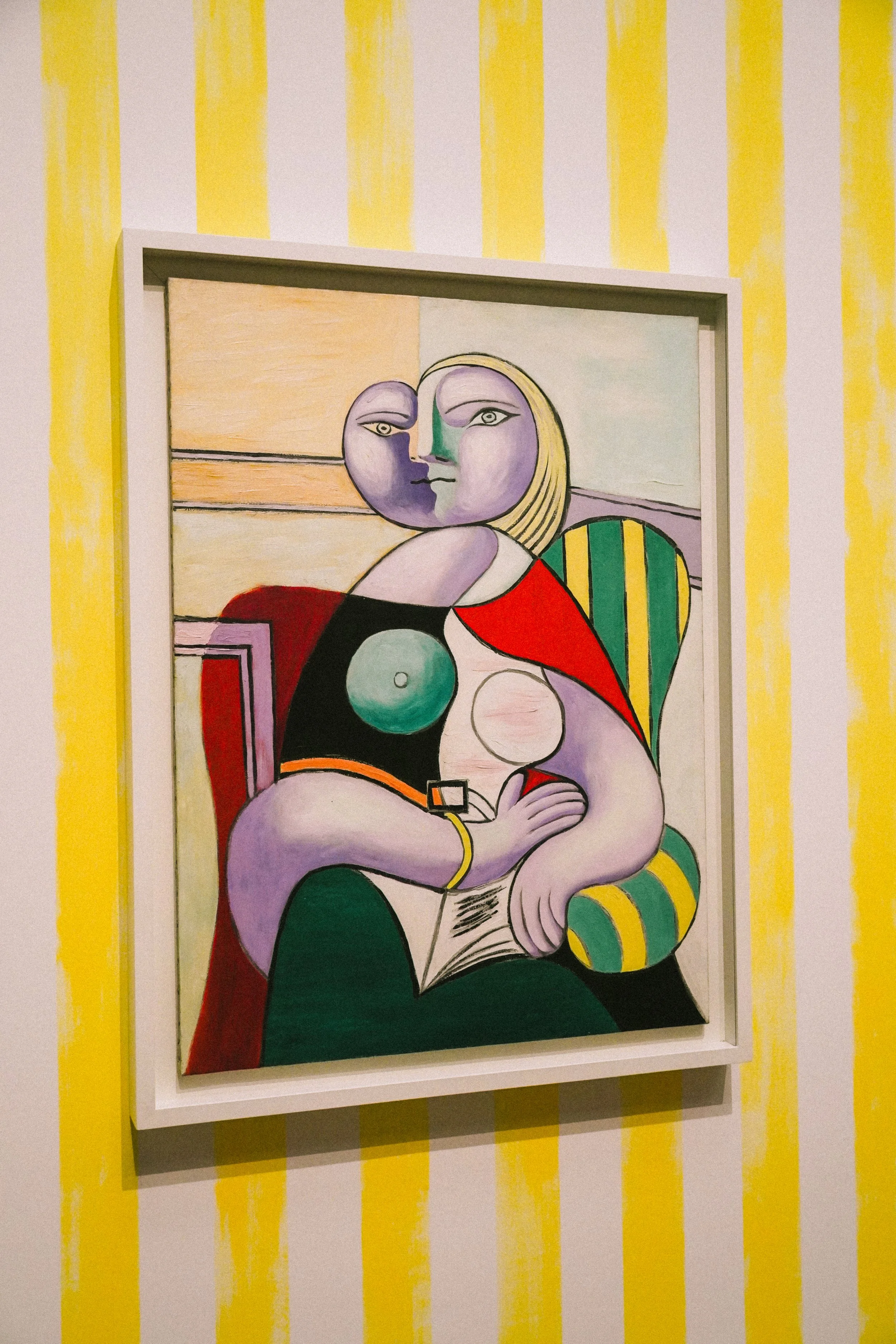
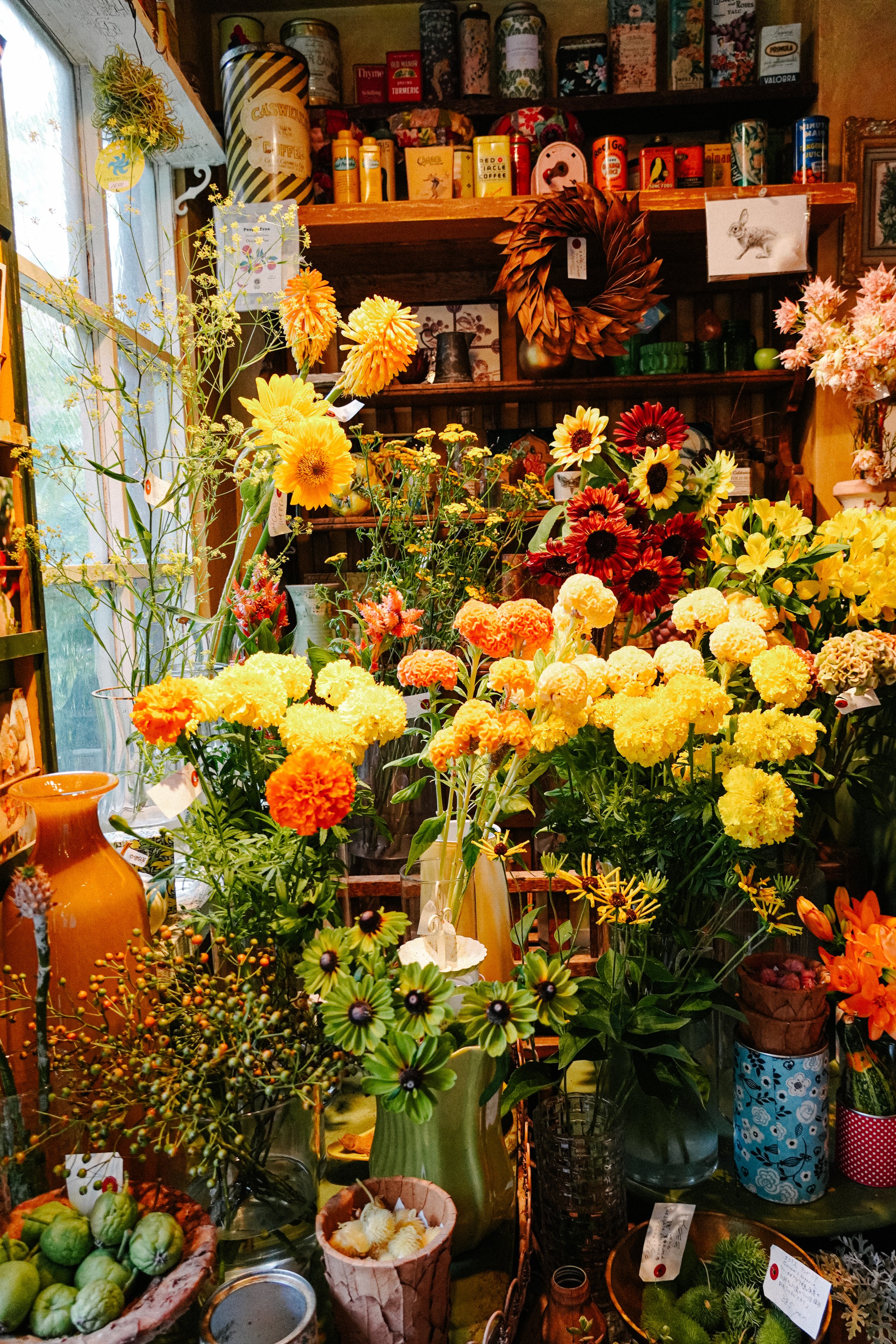
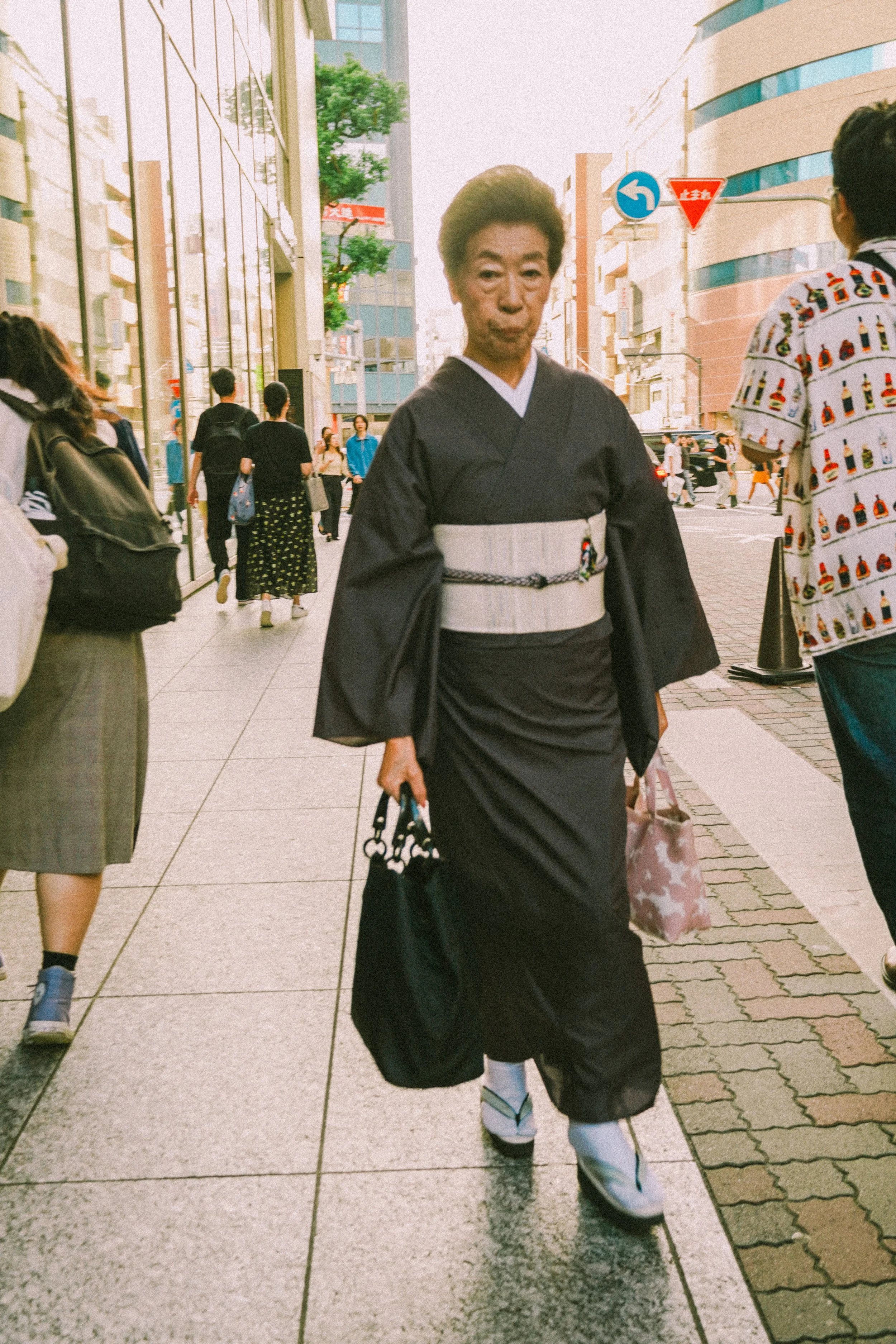
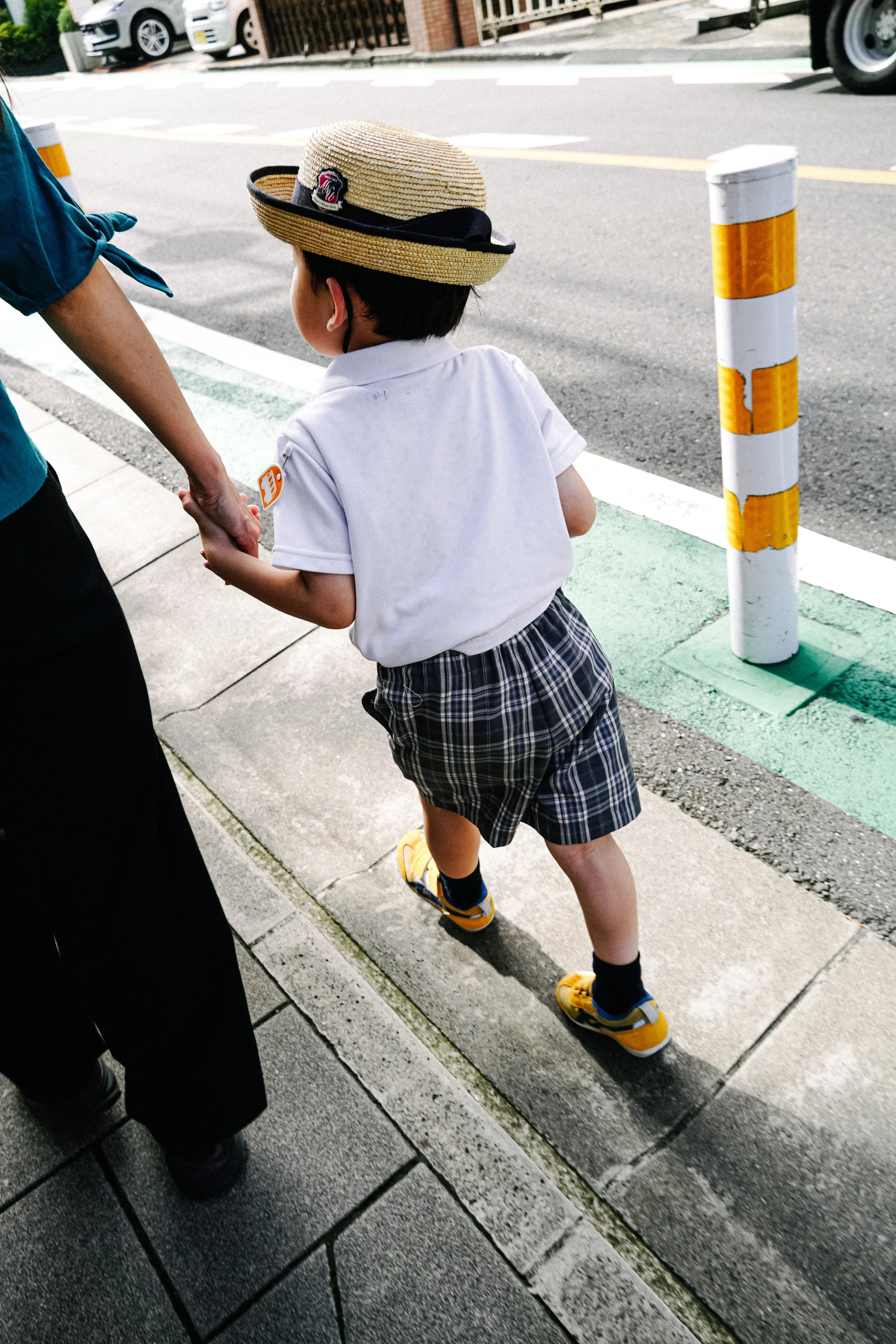
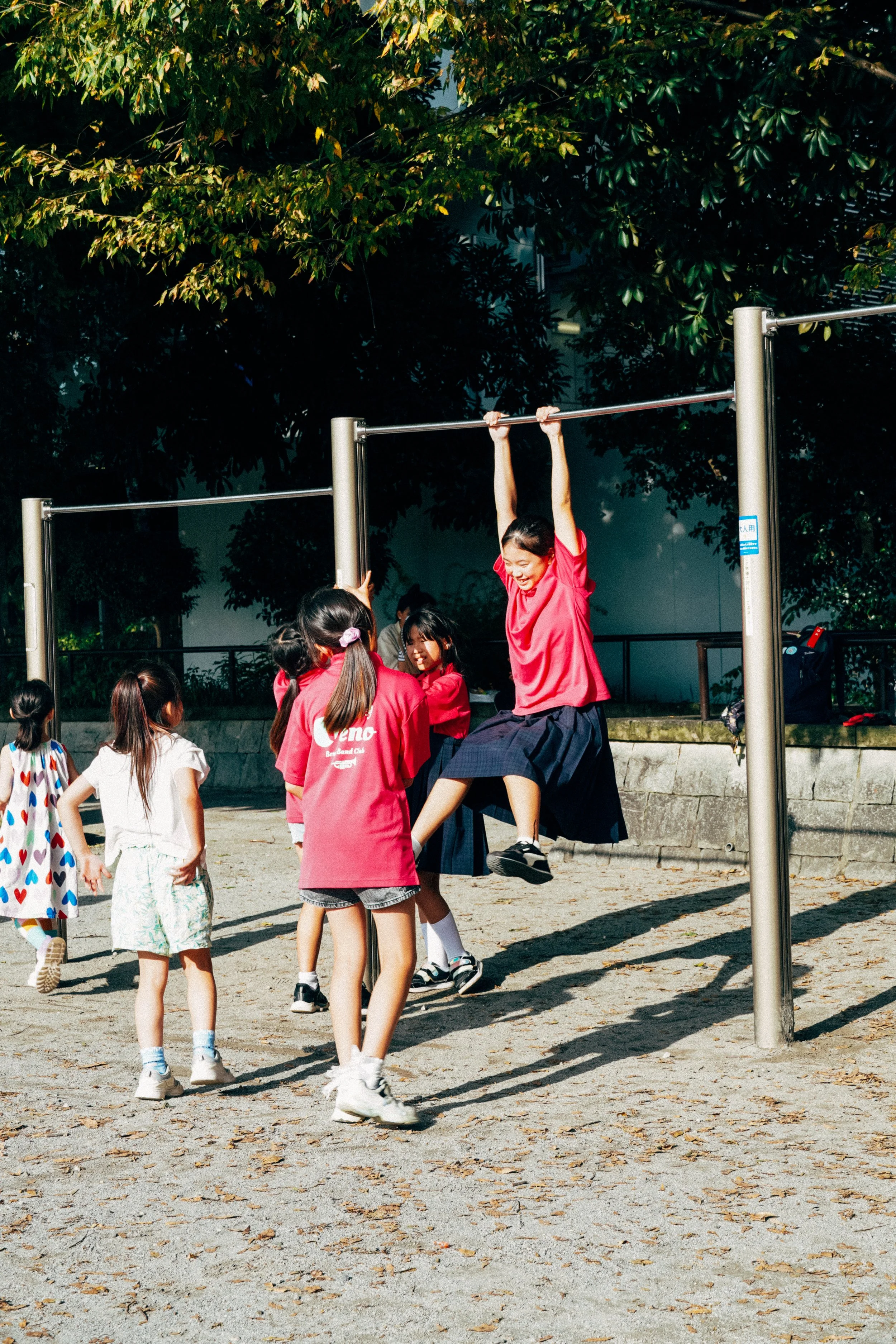
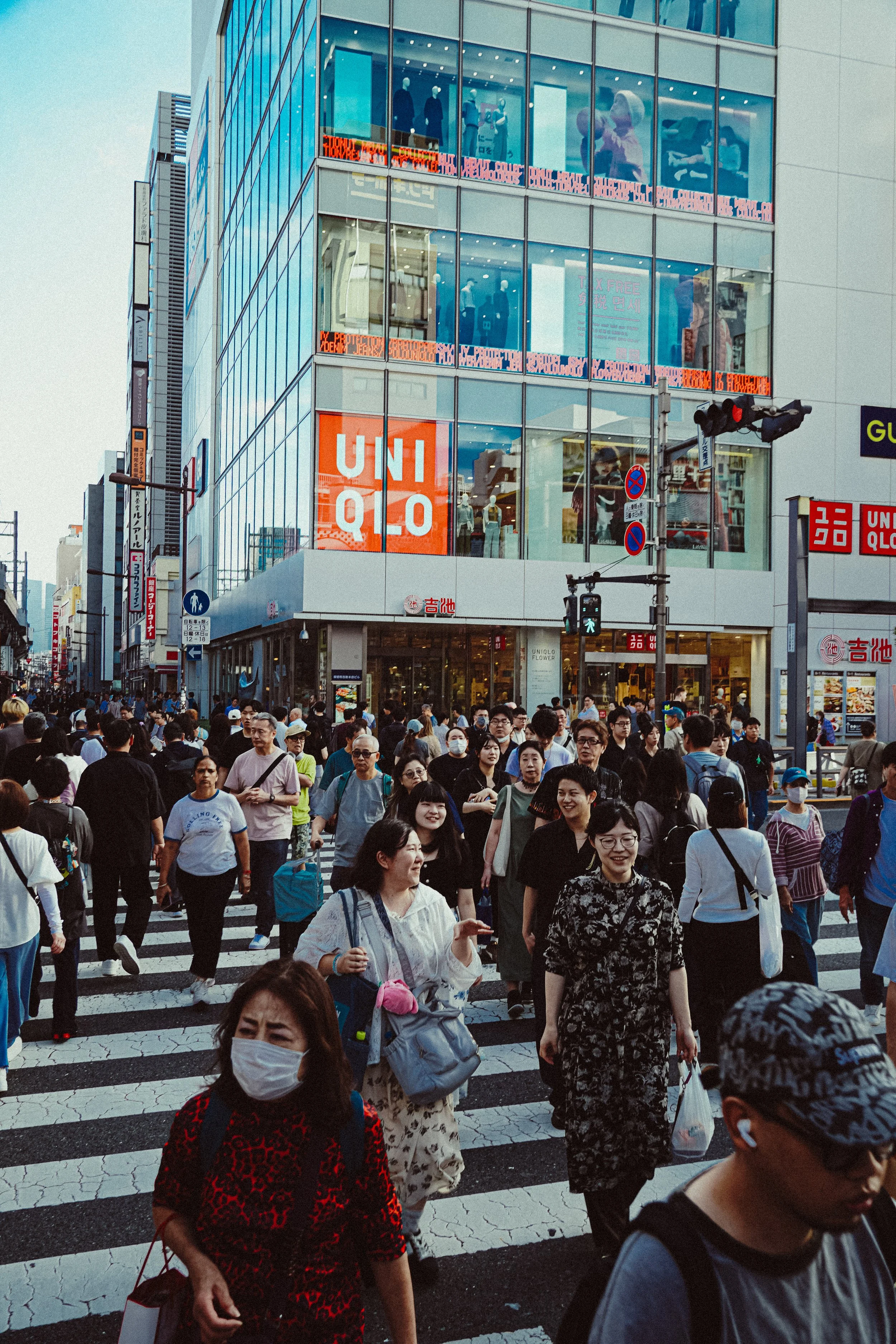
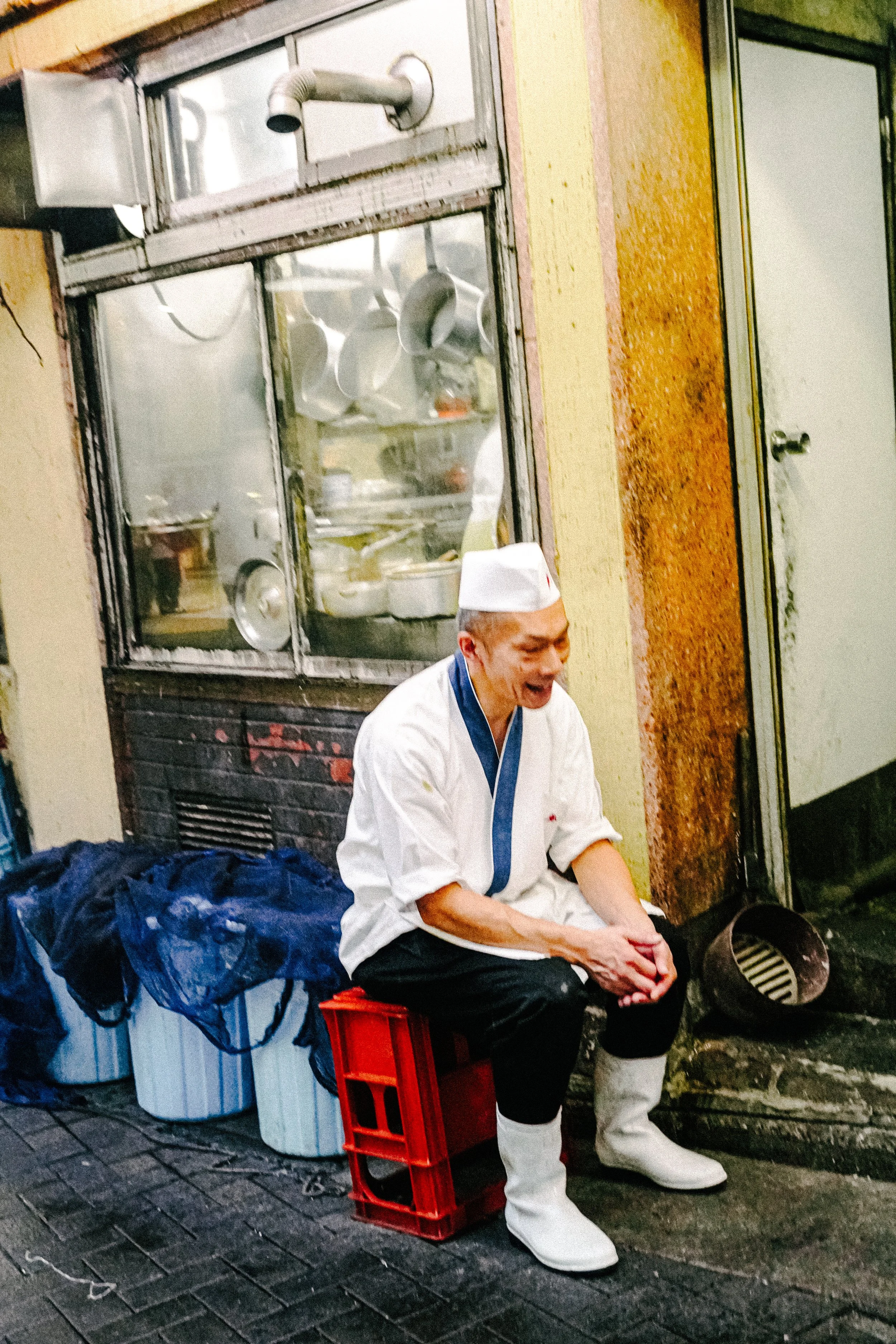
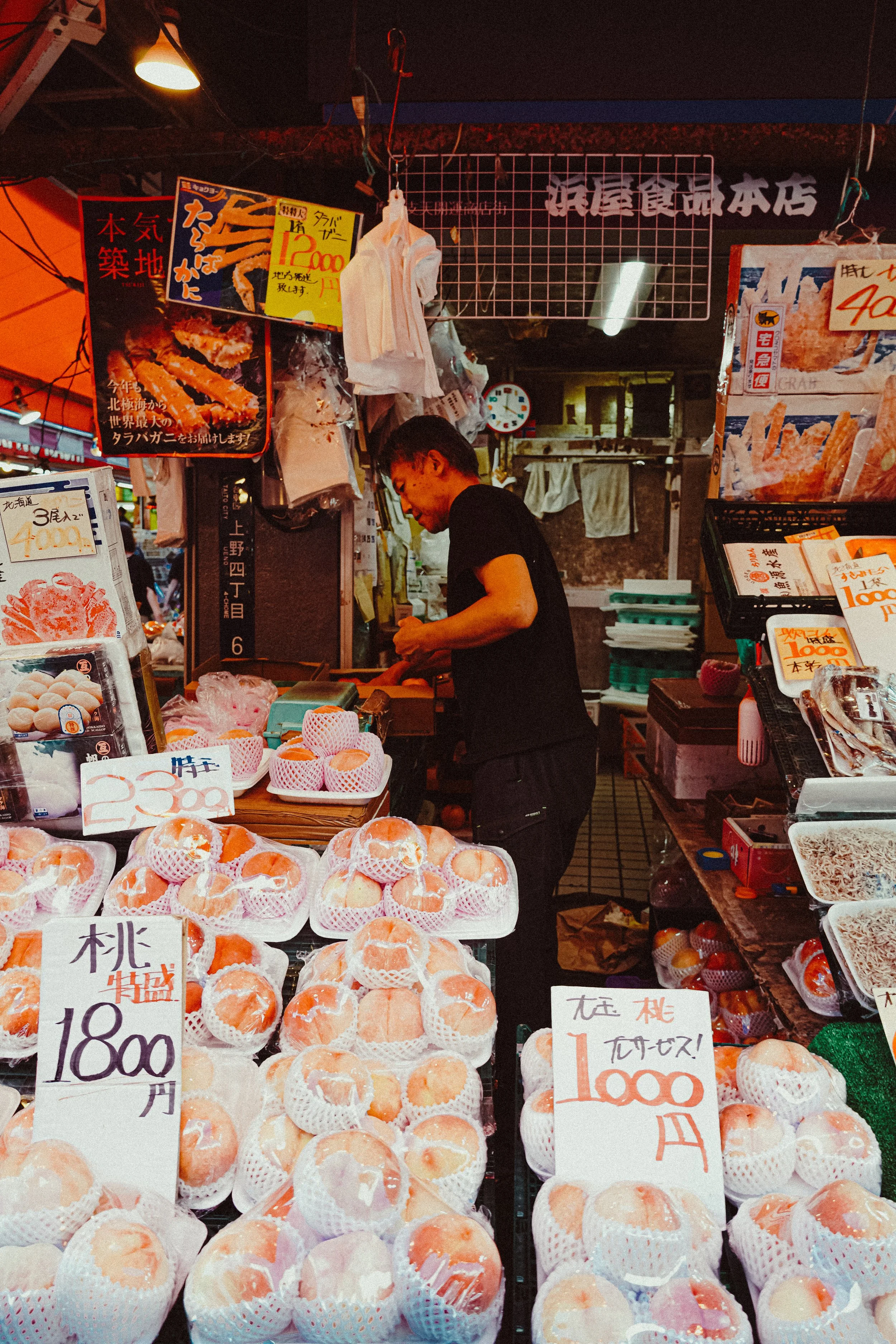
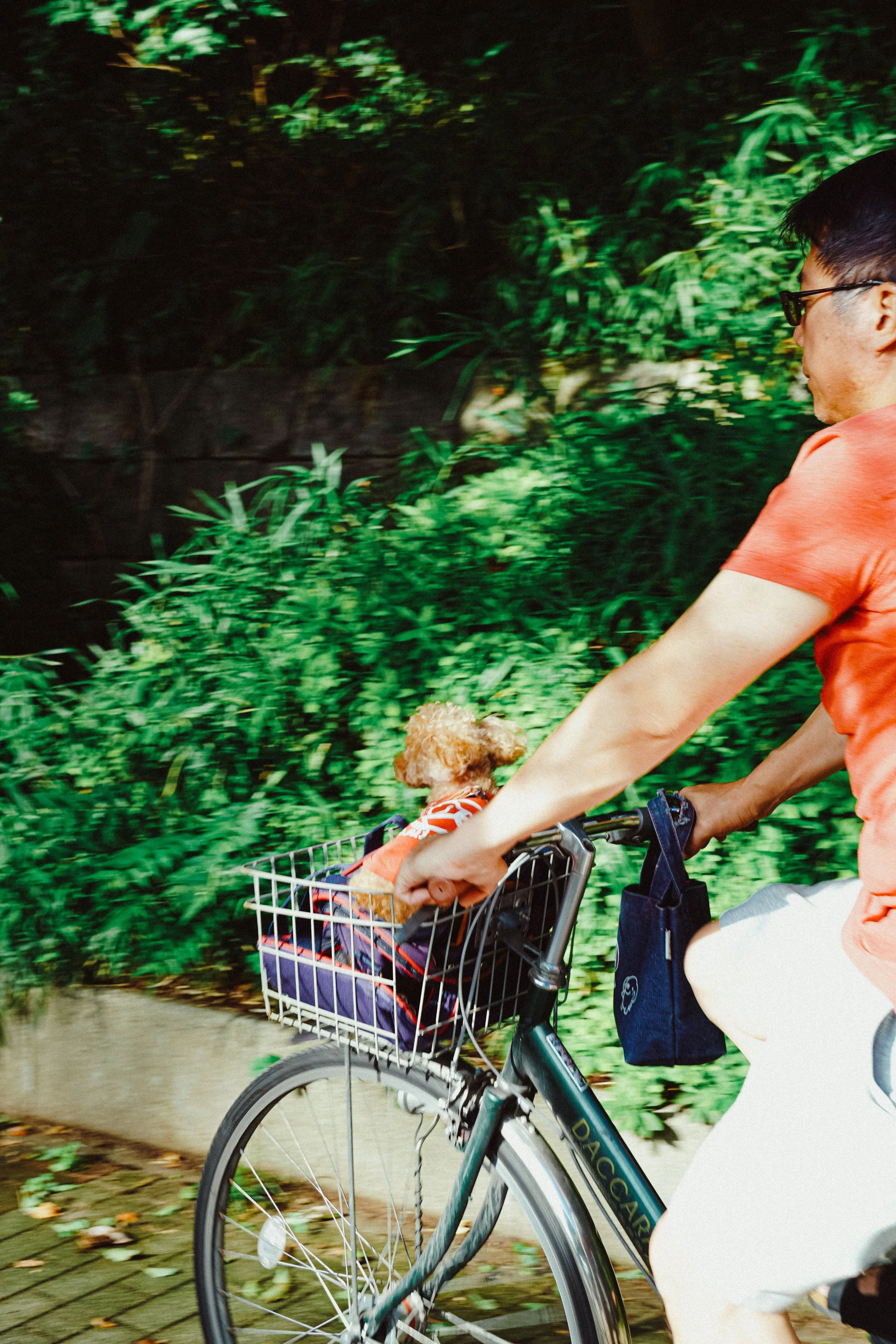
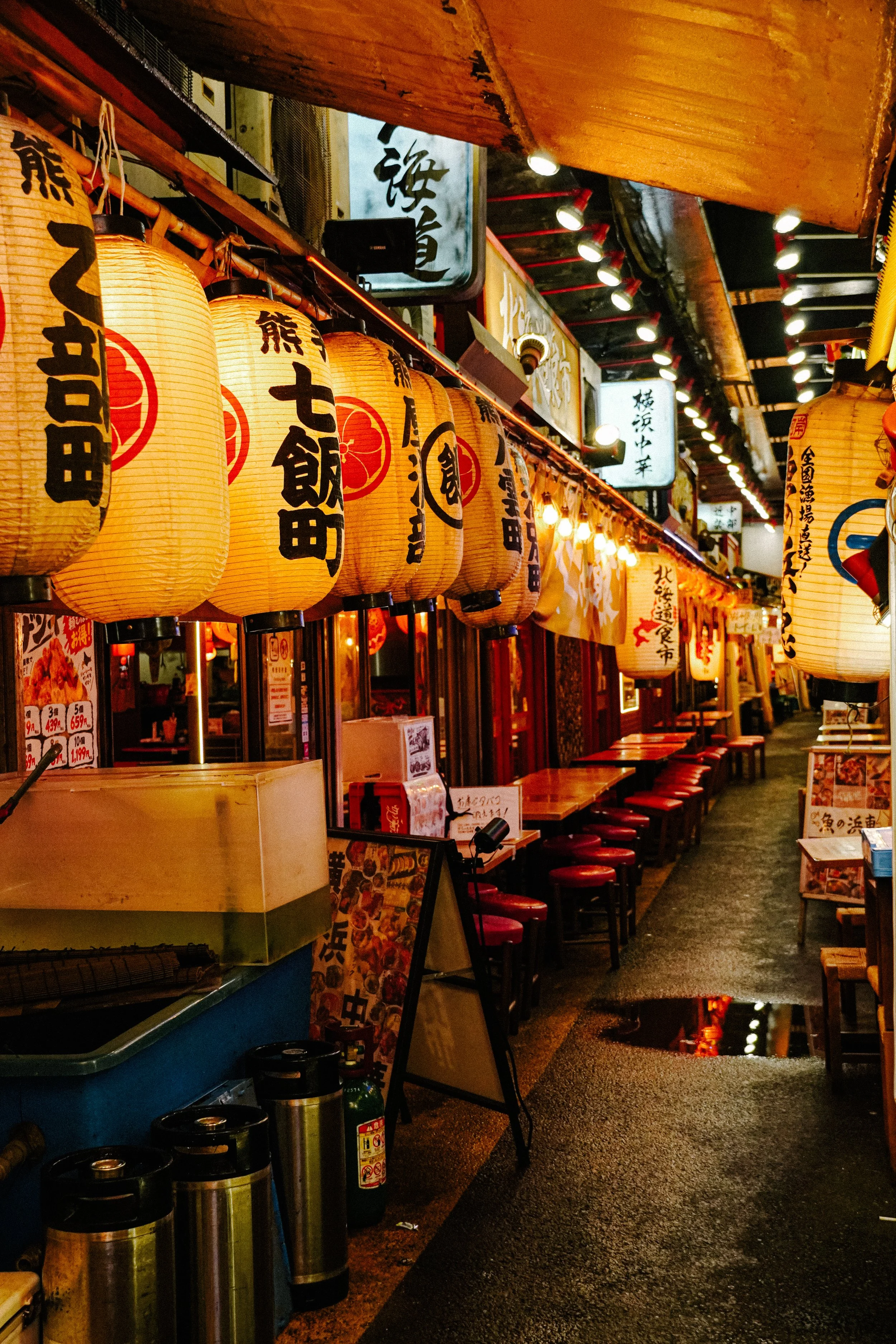
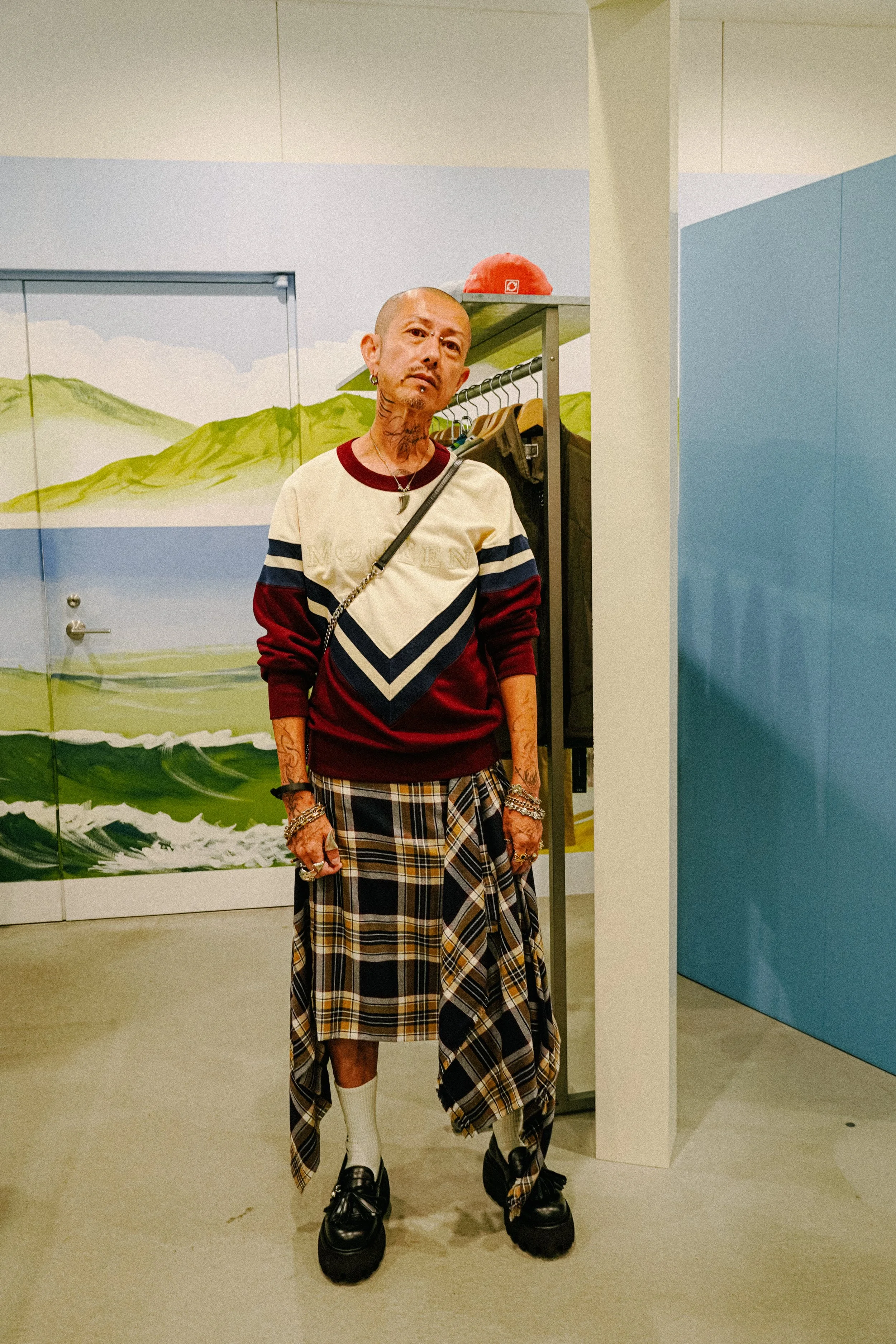
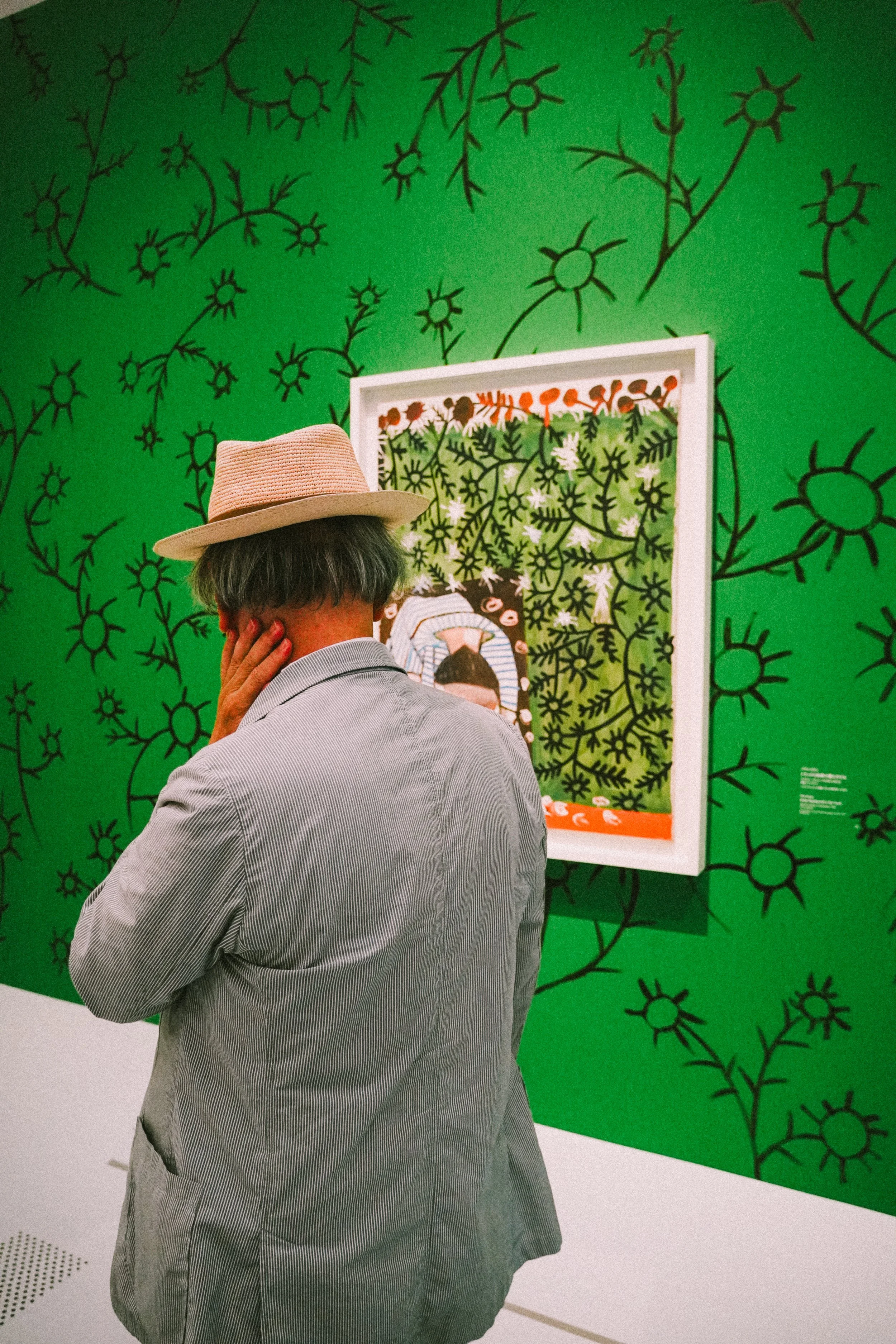
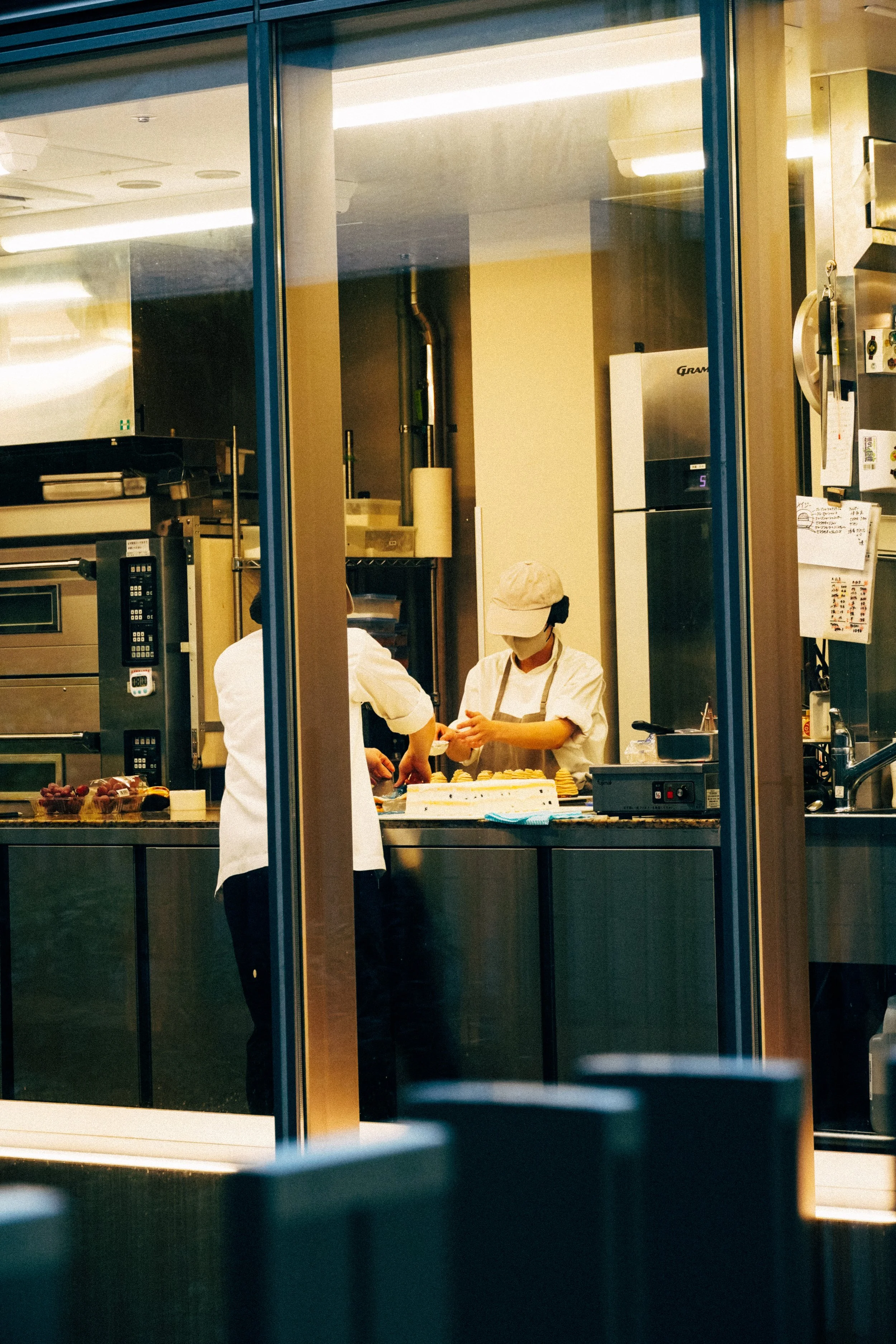
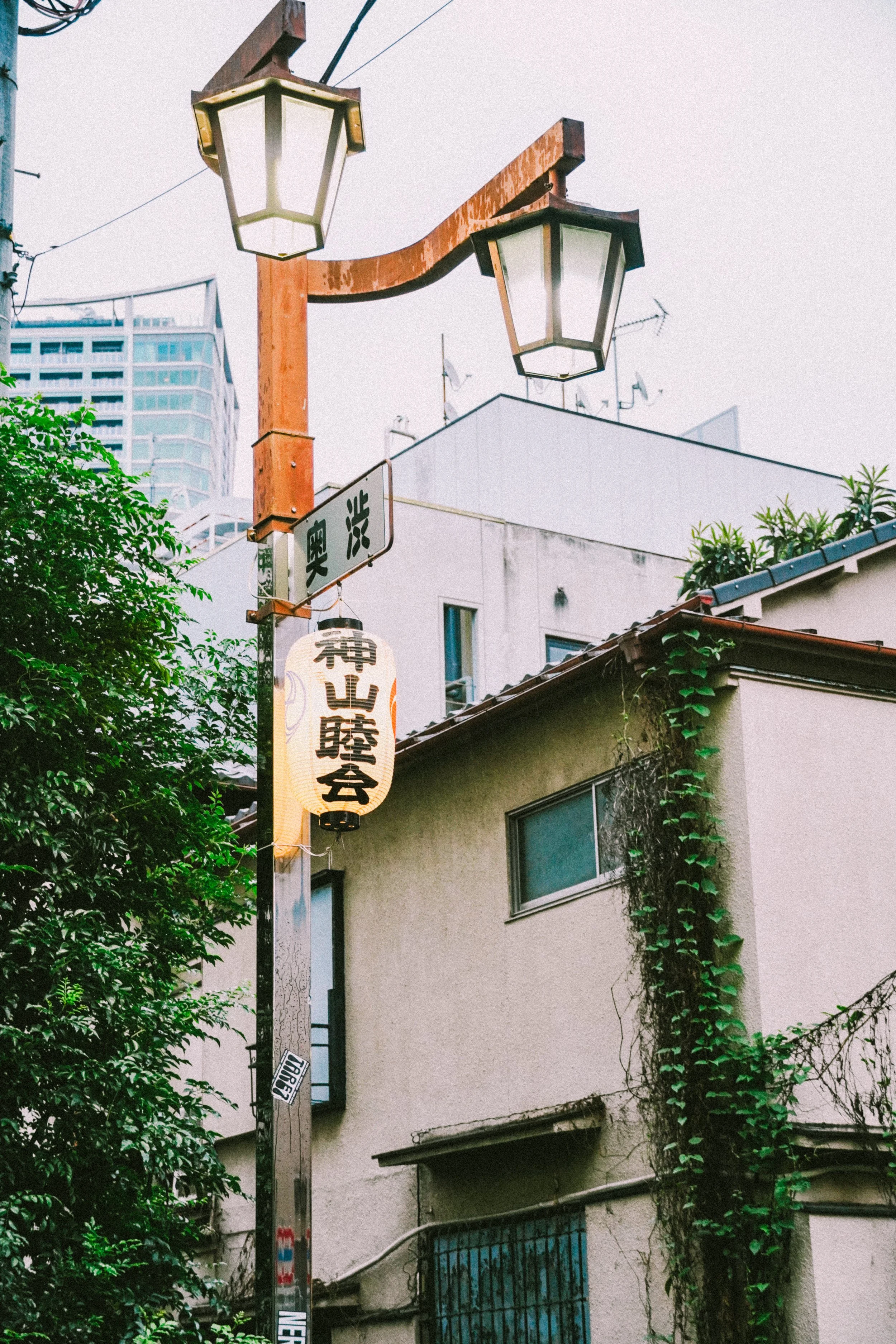
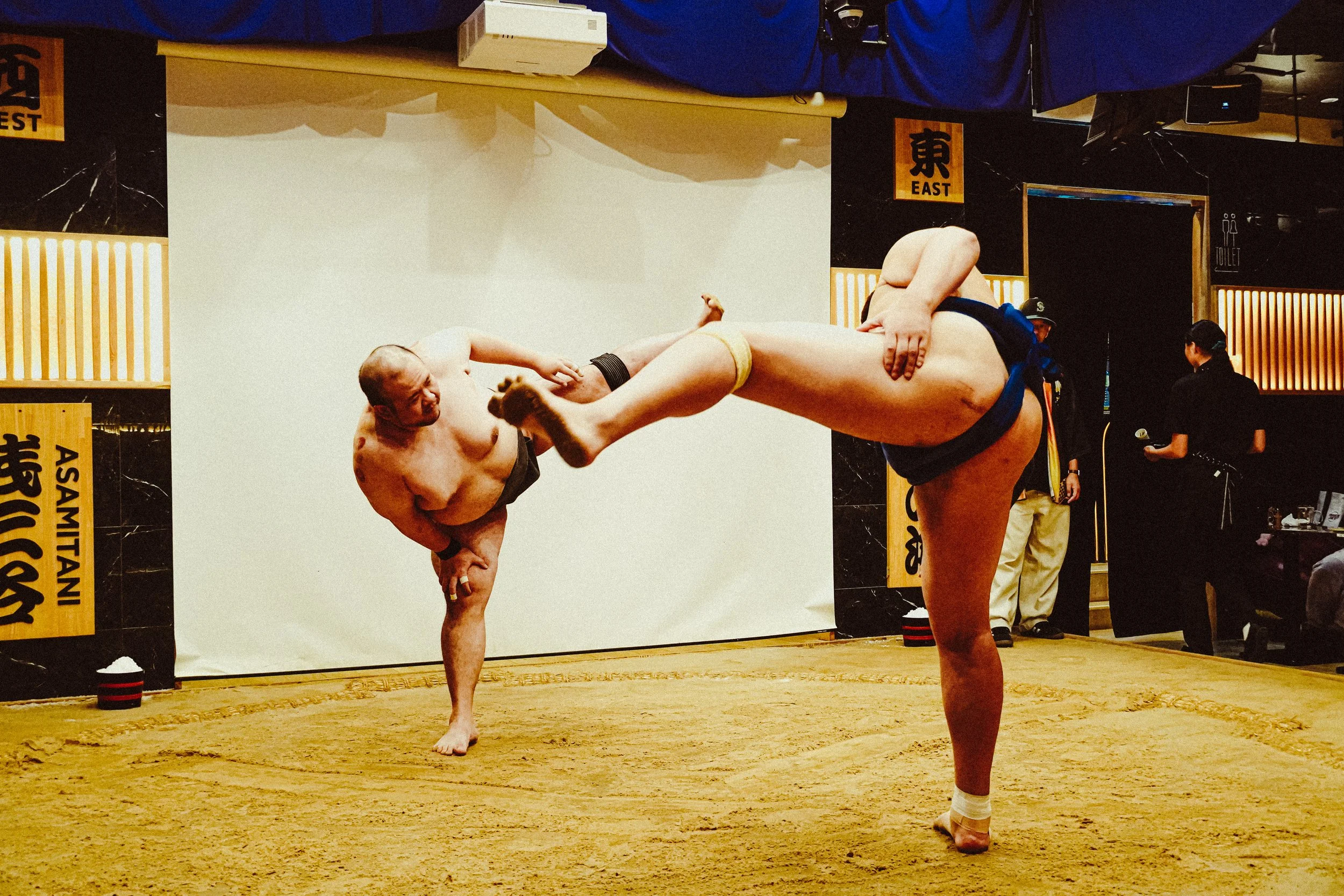
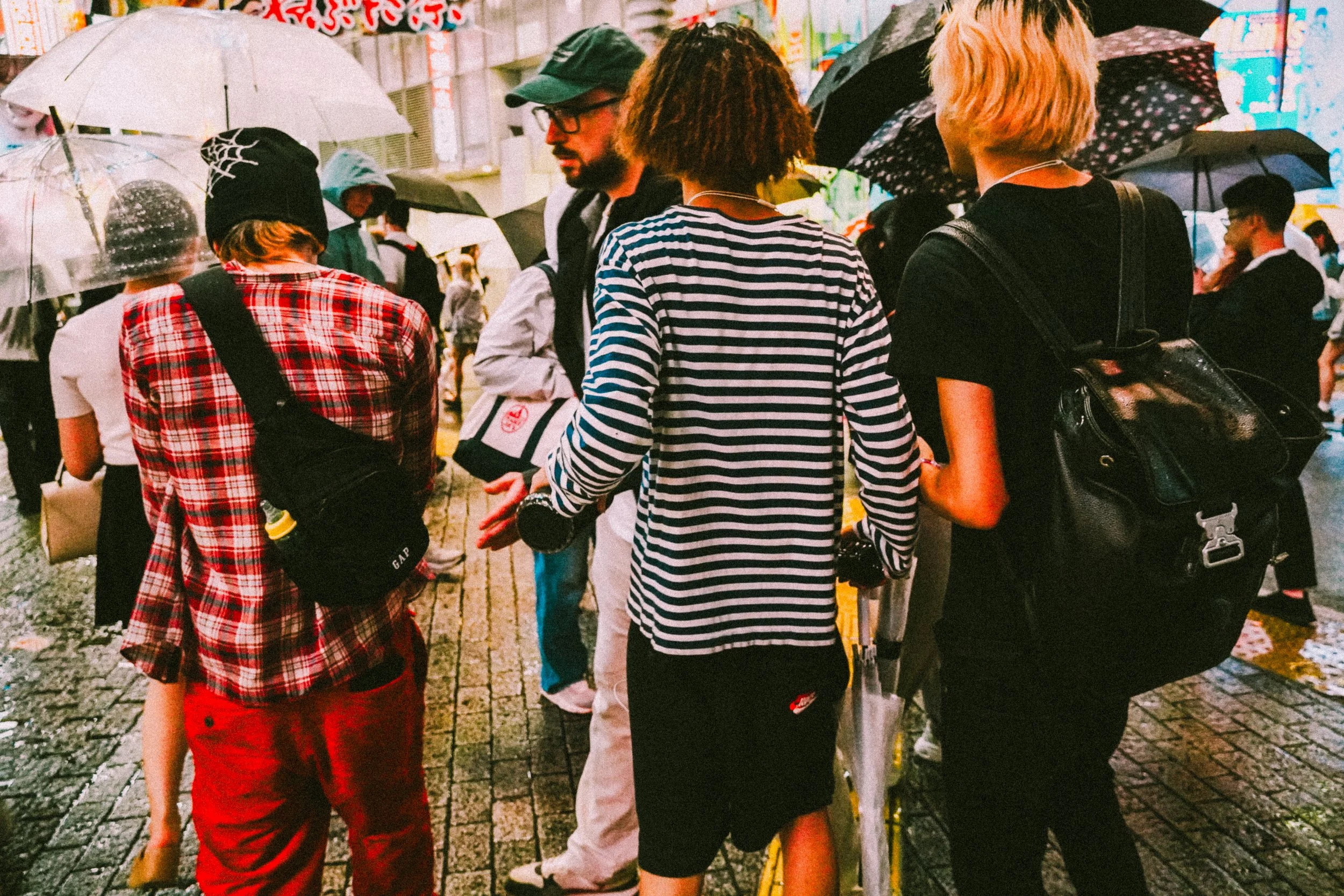
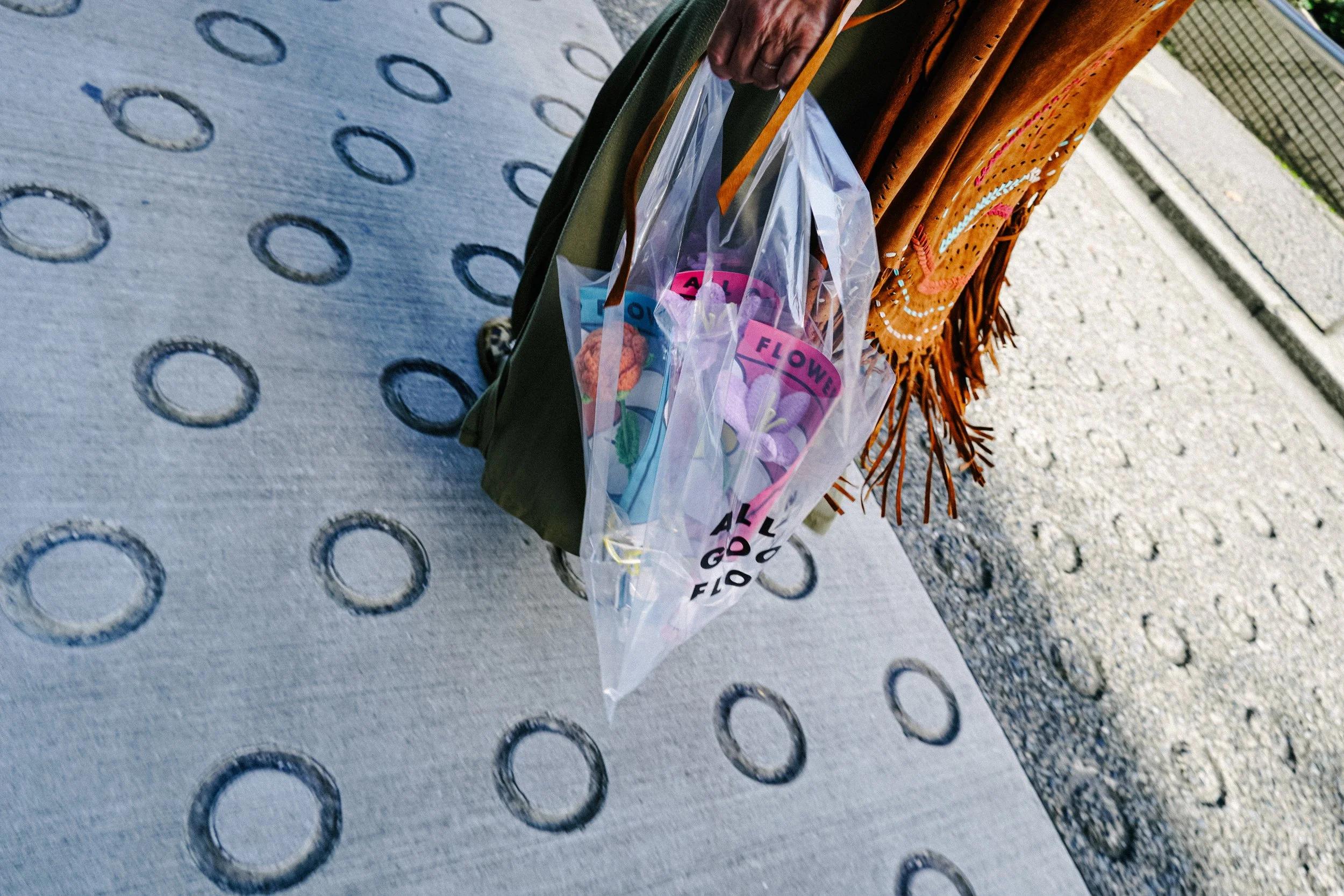
Tokyo felt like a city I could photograph endlessly. Everywhere I looked, there was something that caught my eye; a gesture, a silhouette, a combination of colours. There was a sense of creativity woven into people’s routines. What fascinated me the most was the individuality of the people. Personality seemed to reveal itself so naturally through clothing, expression, movement, and the small details of how people presented themselves. I found this especially captivating while walking through neighbourhoods such as Omotesando and Daikanyama, where architecture, fashion, and visual art seemed to exist in constant dialogue. I found myself photographing instinctively, simply because every corner felt worthy of being remembered. this collection is a reflection of that feeling; of walking through Tokyo with an almost constant sense of discovery, and finding art not only in the places designed to contain it, but in the people and the infinitesimal interactions that make up the city itself.
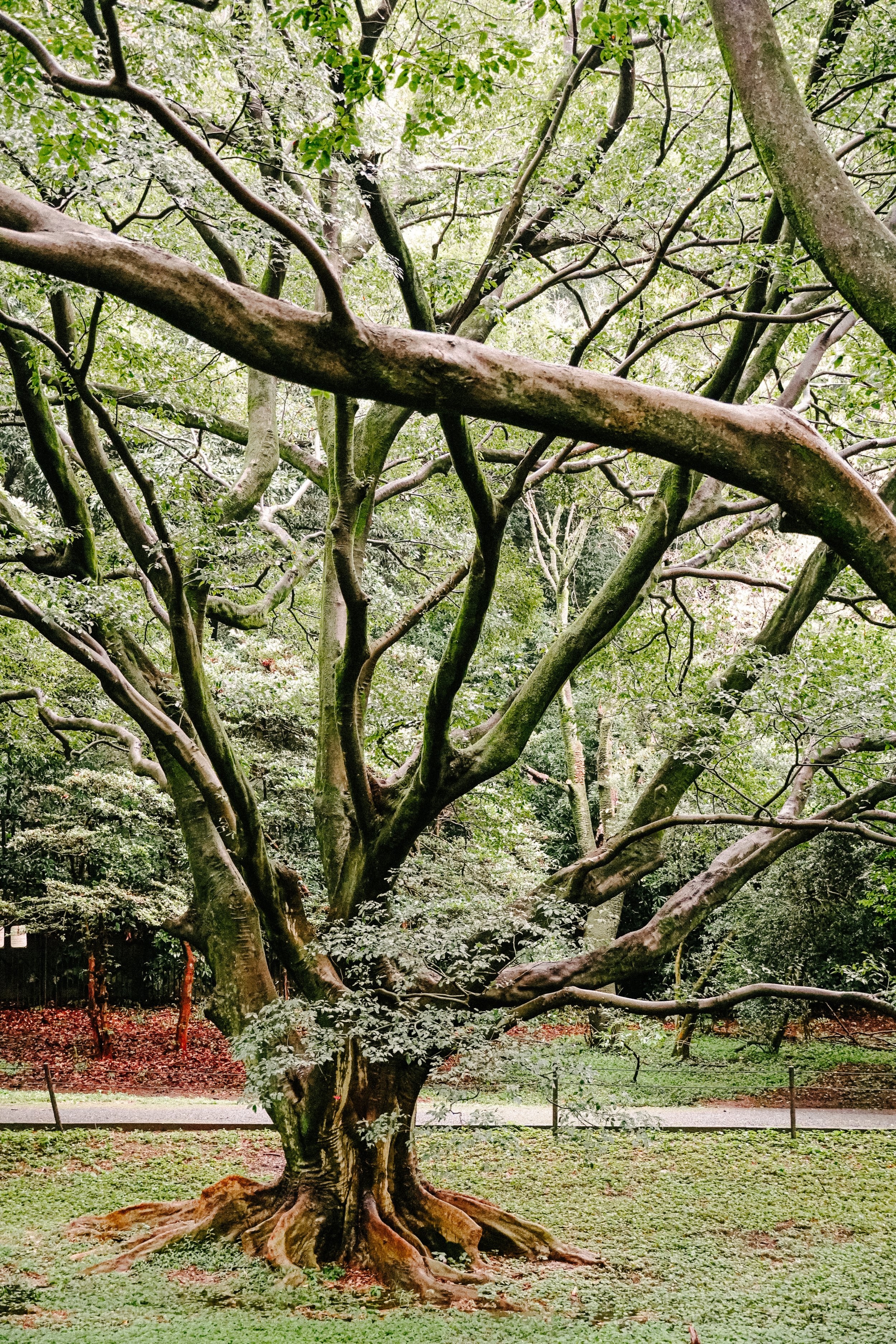
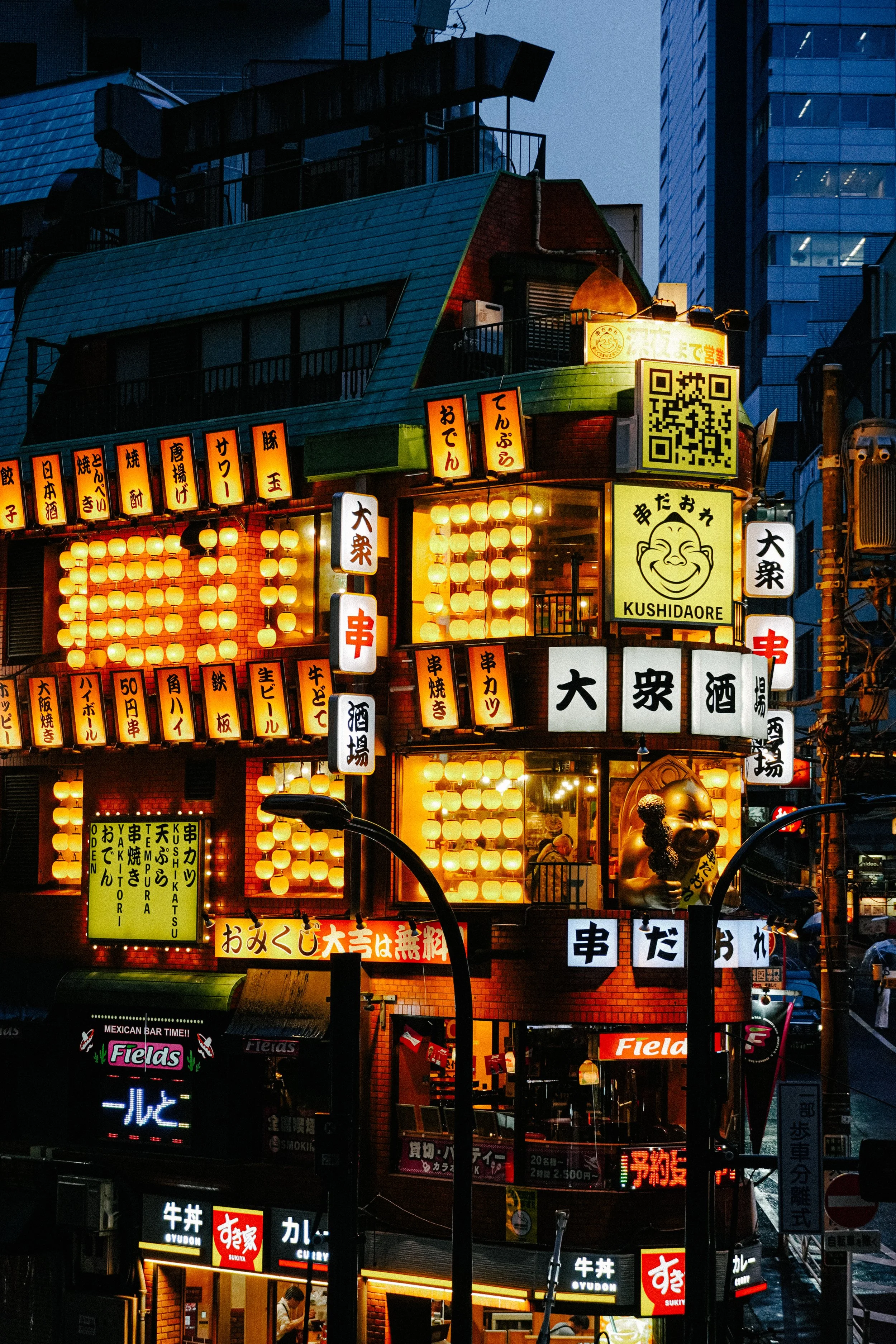
Tokyo felt almost in inexhaustible to me. I found myself photographing with a kind of restless excitement, as though every few steps revealed another composition I had to preserve. there was something almost addictive about that process. I became obsessive about noticing and trying to catch the fleeting arrangements that existed only for a few seconds. I couldnt’t stop walking and photographing, finding myself with a weekly average of 20 thousand steps because I had this sense that there was always another image waiting to be captured just beyond the previous one. Tokyo made me feel intensely aware of why I make art in the first place: the exhilaration of seeing something that did not exist in my imagination a moment before, and suddenly feeling the urge to create.The city was so visually saturated that looking became an active, compulsive process. The city itself possesses a kaleidoscopic quality and magnetic energy, that has awakened so many ideas for future projects.
There is something liberating about photographing a place where I have no history. I arrive without the visual habits I have developed at home. This discipline is a way of noticing truth; how people dress when they are not dressing for a photograph, for example. In that sense, lens-based art forms become a way of authentically educating the self. The beauty of a photograph also lies in the way that it is incomplete. It gives us a second of someone’s life whilst there is still an entire world outside the frame that we cannot hear, with stories we will never know. I find something extraordinary in that limitation. Perhaps a photograph does not need to explain everything. It can simply preserve a fragment and leave the rest to imagination. The mystery surrounding an image can be just as important as what the image reveals.
There is a strange thing that happens when I return home from somewhere I have photographed. The place continues to exist without me, but my experience of it begins to live inside the photographs. Editing then becomes more than an aesthetic process. In some ways, it becomes a process of remembering. Out of hundreds of images, I begin deciding which fragments represent what I felt when I was there. The photographs become the version of that place that I carry with me. Perhaps that is why editing can feel almost as personal as taking the photograph itself. Photography has changed the way I look at things, even when I am not photographing. Once you become accustomed to searching for images, the world begins to feel strangely abundant. A shadow on a wall can suddenly become important. Someone standing alone on a platform can hold your attention. A particular colour appearing unexpectedly in an otherwise muted street can stay in your mind for hours. I think photography has made me more attentive to the world. It has taught me that looking is not passive. To really look at something is already to give it a kind of significance. Some of the photographs I value most are the ones I took before I understood why I was taking them. There is often a moment when something catches my eye and I photograph it almost instinctively. Only later, when I return to the image, do I begin to understand what I saw in it. Sometimes it is a composition I hadn’t consciously noticed. Sometimes it is a feeling that existed before I had words for it. I like that photography leaves room for this kind of intuition. Not everything needs to be understood before it can be created. Ultimately, I think I am most interested in ordinary life. Not because it is uneventful, but because we become so accustomed to it that we stop seeing it. Every culture develops its own rhythms, its own gestures and habits, its own visual vocabulary. To the people living within them, these things can feel completely unremarkable. From another perspective, they can become extraordinary. That is what continues to fascinate me about photography. It can take something that has been looked at a thousand times and make us look again.
Photography can feel almost weightless now. With a camera always within reach, images are made constantly, often instinctively and without much consideration. But there is a moment when an image begins to mean something. When you stop simply taking a photograph and begin to feel it. I believe that is where photography reveals itself as art form.